
The best time to backpack Europe is during late spring to early fall, from May to September. These months offer pleasant weather and numerous festivals.
Starting on a European backpacking journey ignites travelers’ dreams of exploring historic streets and diverse cultures.
The continent thrives in the warmth of May through September. It offers a favorable climate, vibrant events, outdoor dining, and extended daylight hours.
Timing your journey within this window optimizes the experience. It gives you a chance to blend into local life during its most dynamic season.
In this season, Europe beckons with its thawed parks, beaches, and landmarks, inviting exploration in all its splendor.
Deciding on these months ensures you witness Europe in its most lively and welcoming form. It promises a trip filled with life-long memories.
Introduction To Backpacking In Europe
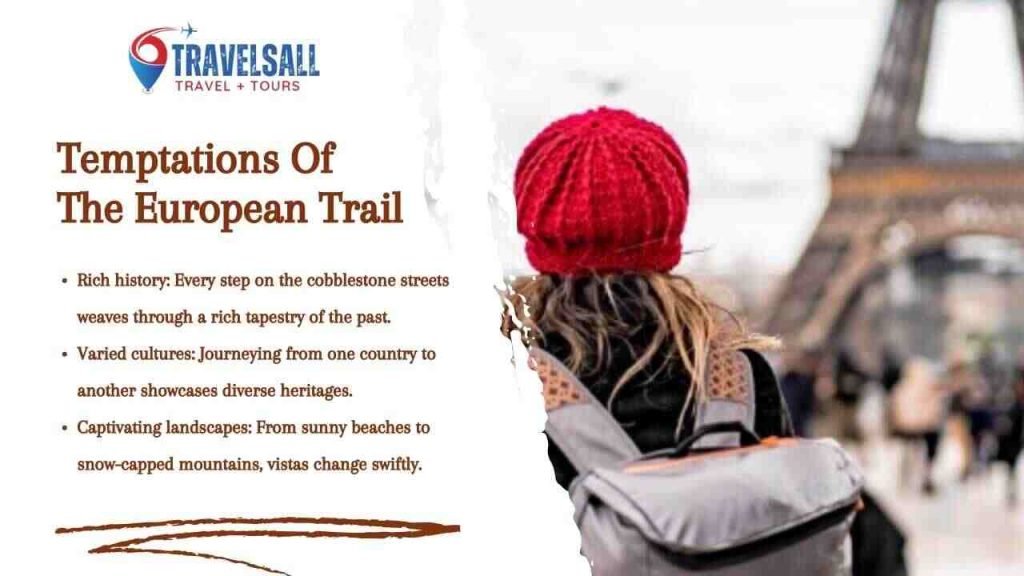
Europe is a wonderland for backpackers with its diverse cultures, historic cities, and stunning landscapes.
Exploring this continent on foot offers an adventure like no other. knowing optimal travel times enhances trips, emphasizing the significance of seasonal planning for bag-packing preparations.
Temptations Of The European Trail
Backpacking across Europe is enticing for multiple reasons:
- Rich history: Every step on the cobblestone streets weaves through a rich tapestry of the past.
- Varied cultures: Journeying from one country to another showcases diverse heritages.
- Captivating landscapes: From sunny beaches to snow-capped mountains, vistas change swiftly.
- Rail links: Europe’s vast train network makes hopping between hotspots effortless.
- Hostel culture: Meet fellow travelers and enjoy the communal spirit of hostels.
Feel the freedom of carrying your life in a backpack and waking up to new experiences each day.
Benefits Of Seasonal Planning
Picking the right season can significantly enhance your backpacking journey:
| Season | Benefits |
|---|---|
| Spring | Witness the bloom of flowers, fewer crowds, and pleasant temperatures. |
| Summer | Enjoy long days, vibrant festivals, and the buzz of peak tourist season. |
| Autumn | Explore in cooler weather, with colorful foliage and a relaxed atmosphere. |
| Winter | Savor festive markets, snowy scenes, and cheaper accommodation. |
Align your travel with the experiences you seek, and Europe will unveil its treasures when they shine the brightest.
Weather Patterns Across Europe
Starting on a backpacking adventure through Europe requires a savvy understanding of the continent’s diverse weather patterns.
Different seasons can transform the same destination into vastly unique experiences. Understanding the weather is crucial for a pleasant European backpacking trip that meets your expectations.
Let’s dig into the atmospheric tapestry that blankets Europe to help you plan the perfect journey.
Regional Climate Variances
Europe is a mosaic of climates, each offering its seasonal quirks. The Mediterranean regions promise warm, dry summers and mild, wet winters.
Moving north, Central Europe features a moderate climate with distinct seasons – lush springs, warm summers, crisp autumns, and chilly winters.
The Scandinavian territories, on the other hand, boast long, light-filled summers and dark, snowy winters perfect for aurora spotting.
| Region | Spring | Summer | Autumn | Winter |
|---|---|---|---|---|
| Mediterranean | Wet | Hot and Dry | Rainy | Mild |
| Central Europe | Green and Lush | Warm | Cool and Crisp | Cold |
| Scandinavia | Mild | Bright and Pleasant | Chilly | Cold and Snowy |
Understanding Highs And Lows
It’s essential to align your trip with Europe’s shoulder seasons – spring and autumn – to avoid the peak tourist crowds and inflated prices of summer.
These seasons provide a balance between weather comfort and affordability. The low-season winters, while cold, invite a unique charm with less crowded streets and festive markets.
Regardless of your choice, ensure to check the weather forecasts and pack accordingly for a carefree European backpacking experience.
- Shoulder seasons offer balanced weather with fewer tourists.
- Summer brings crowds and higher costs.
- Winter is cold but less crowded with the potential for unique experiences.
- Always check forecasts and pack for the season.
Spring Backpacking Advantages
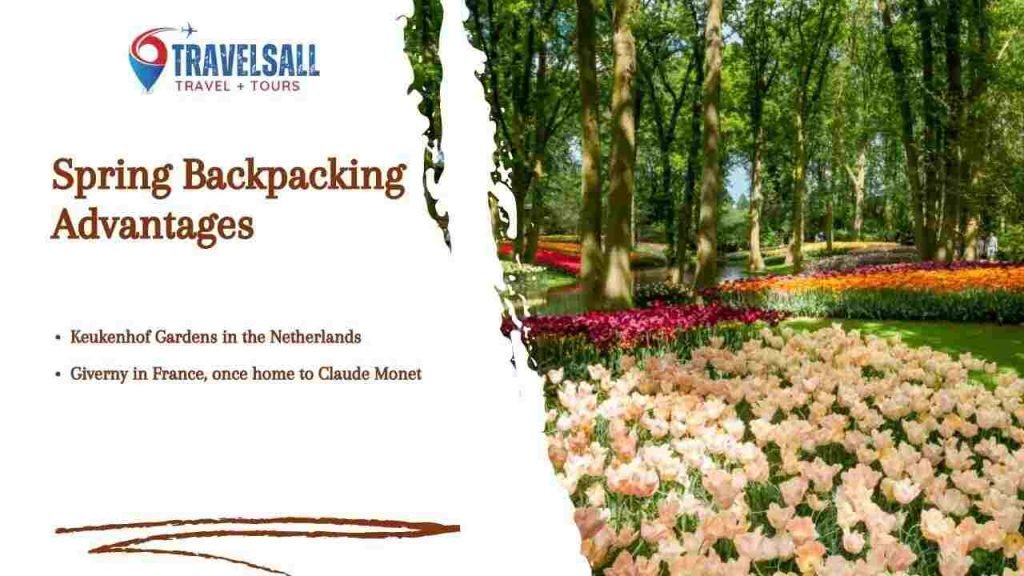
Spring brings unique perks to those venturing through Europe with a backpack. Imagine witnessing nature’s rebirth; a landscape painted with colorful blooms and milder temperatures.
Europe in spring offers a special blend of beauty, comfort, and value, making it an ideal time for a backpacking trip.
Flower Festivals And Mild Weather
Europe in spring is a celebration of colors. Flower festivals abound, from the world-renowned Dutch tulip fields to the cherry blossoms in Paris. These natural tapestries create picture-perfect memories.
- Keukenhof Gardens in the Netherlands
- Giverny in France, once home to Claude Monet
The weather, crisply warm but not too hot, is ideal for exploring cities and hiking trails alike. Lighter gear is sufficient, reducing backpack weight and enhancing mobility.
Smaller Crowds And Lower Costs
Spring means fewer tourists and thus, more authentic experiences. You get to interact with locals and immerse in the culture without the summer rush.
Accommodations are cheaper and more available. You can stay in better locations for less money.
Travel and attraction tickets often come at reduced prices, saving you significant costs on your backpacking journey.
| Aspect | Spring | Summer |
|---|---|---|
| Tourist Traffic | Low | High |
| Costs | Lower | Higher |
Opt for spring in Europe for festivals, great weather, and value on your backpacking journey. Choose this season to explore the continent’s spring awakening, greeted warmly with a variety of unique delights.
Summer’s Sizzle: Pros And Cons
The lure of long days and warm weather makes Europe’s summer a backpacker’s dream. But every rose has its thorn.
Here’s a breakdown of what to expect when backpacking Europe during the bustling summer season.
Peak Season Excitement
Europe brims with life in the summer months, with a myriad of festivals and events.
The continent’s vibrant culture truly shines with outdoor cafes buzzing and parks filled with locals and travelers alike.
- Long daylight hours mean more time for exploration.
- Warm weather allows for a variety of outdoor activities.
- Vibrant nightlife continues well into the wee hours.
Tourist Crowds And Elevated Prices
While the excitement is undeniable, so is the surge in tourist numbers. Popular spots can get crowded, which might take away from that authentic European charm.
| Cons of Summer Travel | Impact |
|---|---|
| Dense crowds | Longer queues at attractions |
| Price hikes | Increased costs for accommodation and transport |
| Overbooked hostels | Need for advanced booking, less flexibility |
Booking ahead becomes essential as many places reach full capacity, impacting budget and spontaneity. Accommodation prices often skyrocket, challenging those on a strict budget.
Autumn Escapes In Europe
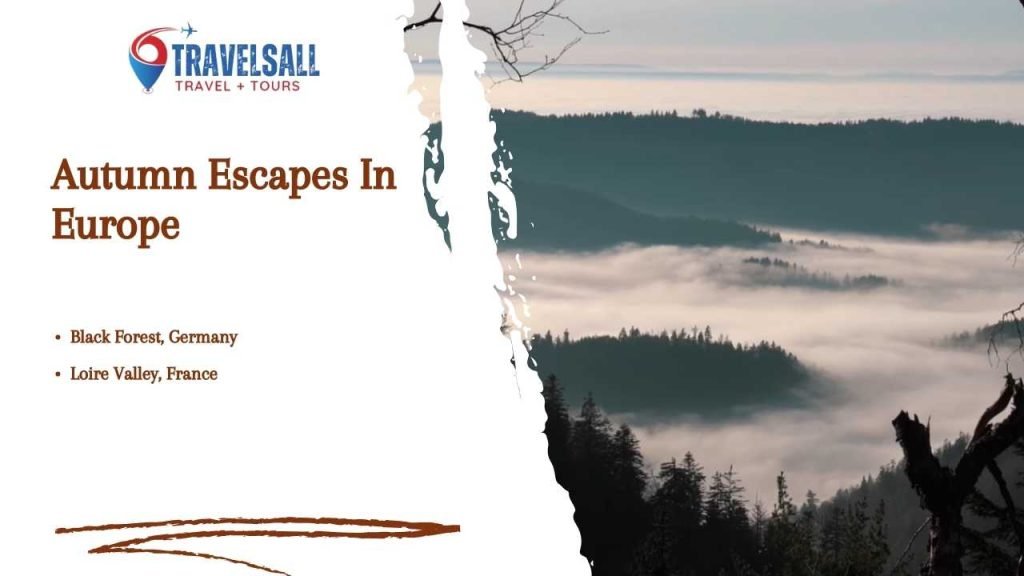
Autumn Escapes in Europe offers a unique charm. The season paints the continent with rich golden and crimson hues.
It holds a seductive appeal for backpackers who crave a blend of beauty, tranquility, and celebration. Europe in fall becomes a canvas of colors.
Changing Leaves
A kaleidoscope of color bursts forth in parks and countryside. Witness the phenomenon of leaves transitioning from green to brilliant shades of yellow, orange, and red.
Popular destinations include the romantic vineyards of France and the mountain forests of Germany.
- Black Forest, Germany
- Loire Valley, France
Wine Harvests
Autumn heralds the season of wine harvests. Vineyards buzz with festivities. The air fills with the sweet scent of grapes.
It’s a time to indulge in wine tasting and vibrant harvest celebrations across Europe’s famous wine regions.
| Country | Region | Event |
|---|---|---|
| Italy | Tuscany | Chianti Harvest |
| France | Bordeaux | Fête le Vin |
Cooler Temps And Diminishing Crowds
Fall brings cooler temperatures. The blistering heat of summer gives way to comfortable days ideal for exploring cities on foot.
This is the time when crowds begin to thin out, making for more intimate experiences. Shorter lines at attractions and lower accommodation rates are added perks.
- Avoid popular spots during school holidays for the least crowds.
- Enjoy cafes and museums at a leisurely pace.
Winter Wandering Wonders
Europe in winter is a tapestry awaiting your discovery. The chill brings its own unique set of charms.
Backpacking through Europe at this time means fewer crowds, serene landscapes, and twinkling festivities. Let’s explore the magic of a winter adventure.
Christmas Markets And Snowy Landscapes
- Christmas markets blanket squares with festive cheer.
- Stand in awe as snow transforms cities into winter wonderlands.
- Experience the joy of sipping hot mulled wine as snowflakes dance in the night sky.
Indoor Cultural Experiences
- Dig into Europe’s rich history and art without outdoor distractions.
- Cultural hubs like museums and theaters give you a taste of Europe’s soul.
- Opera houses and galleries offer a warm respite from the winter air, wrapped in cultural splendor.
Winter in Europe is not just a season; it’s a stage for some of the continent’s best experiences.
Whether it’s the traditional markets or seeking warmth in towering galleries, your backpacking journey will be nothing short of spectacular.
Cultural Events And Festivities Timeline
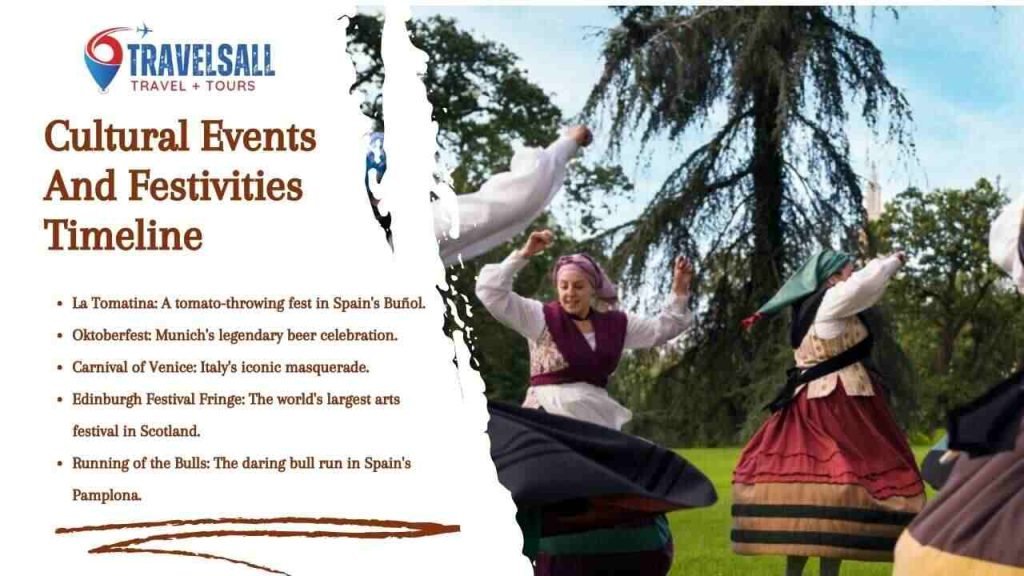
Exploring Europe through its cultural events offers a vibrant glimpse into the continent’s soul. Enthralling festivals span the calendar, each promising unique experiences bound to any traveler’s memory.
Picking the right time can transform a simple backpacking adventure into an unforgettable journey dancing to the rhythm of Europe’s cultural heartbeat.
Festivals To Not Miss
Certain European festivals have global fame for their scale and excitement. Experiencing these events firsthand is a must:
- La Tomatina: A tomato-throwing fest in Spain’s Buñol.
- Oktoberfest: Munich’s legendary beer celebration.
- Carnival of Venice: Italy’s iconic masquerade.
- Edinburgh Festival Fringe: The world’s largest arts festival in Scotland.
- Running of the Bulls: The daring bull run in Spain’s Pamplona.
Timing Your Trip Around Events
Selecting the perfect time for your trip is key. Here’s a timeline to help plan:
| Event | Date | Location |
|---|---|---|
| Carnevale di Venezia | February – March | Venice, Italy |
| King’s Day | April 27 | Netherlands |
| La Tomatina | Last Wednesday of August | Buñol, Spain |
| Oktoberfest | Late September – Early October | Munich, Germany |
| Edinburgh Festival Fringe | August | Edinburgh, Scotland |
Europe’s festival season typically peaks from May through September. During this period, the outdoors are warm, and spirits high, making it ideal for travelers.
To secure a spot at these world-renowned festivities, early planning is crucial.
Accommodations book fast, and tickets sell out quickly. Be in the heart of the festival you choose, and soak in Europe’s vibrant culture.
Budgeting For Your Backpacking Trip
Planning your backpacking trip through Europe demands careful budgeting. Your travel expenses can swing widely depending on several factors.
Learning about seasonal cost variations and implementing saving tips tailored for each season can lead to significant savings. Let’s dig into the best practices for budgeting your backpacking adventure.
Seasonal Cost Variations
The cost of backpacking across Europe fluctuates with the seasons. Each season brings different price points for accommodation, travel, and activities. Here’s what you can expect:
| Season | Accommodation | Transportation | Activities |
|---|---|---|---|
| Summer | High prices | Peak fares | Busy & expensive |
| Autumn | Moderate prices | Lower fares | Less crowded |
| Winter | Lowest prices | Cheapest fares | Minimal tourists |
| Spring | Moderate to high | Increasing fares | Starting to get busy |
Saving Tips For Each Season
Saving money while backpacking is easier with the right strategies. Here are tips to keep your wallet happy in each European season:
- Summer: Book well in advance, look for city passes, and join free walking tours.
- Autumn: Enjoy off-season rates, use bike rentals, and visit free museums.
- Winter: Stay in hostels, cook your meals, and find winter discounts.
- Spring: Share transport costs, hike freely available trails and discover less-known destinations.
Practical Tips For Seasonal Backpacking
Starting on a European backpacking adventure requires savvy planning. Different seasons offer unique experiences.
Knowing what to pack and how to stay healthy and safe can make or break your trip. Let’s dig into some practical tips tailored to each season’s challenges and charms.
Packing Essentials For Each Season
Every season in Europe has its demands. Be prepared with the right gear.
- Spring: Lightweight layers, a waterproof jacket, and comfortable walking shoes.
- Summer: Breathable clothing, a sun hat, sunscreen, and a reusable water bottle.
- Fall: Warm sweaters, a durable raincoat, and a sturdy umbrella.
- Winter: Thermal wear, a heavy coat, insulated boots, and warm accessories like gloves and scarves.
Staying Healthy And Safe
Each season poses its own health and safety risks. Be mindful of these throughout your journey.
General tips include:
- Stay hydrated and carry snacks for energy.
- Keep a first-aid kit and necessary medications on hand.
- Protect personal belongings with secure, zipped bags.
- Check weather forecasts often and plan accordingly.
In the summer heat, remember to:
- Apply and reapply sunscreen.
- Seek shade during peak sun hours.
- Wear light-colored, loose-fitting clothes.
During winter cold, always:
- Dress in layers to retain body heat.
- Keep extremities covered to prevent frostbite.
- Avoid slippery paths to prevent falls.
Spring and fall might require:
- Waterproof footwear for unexpected showers.
- An umbrella or rain poncho for sudden downpours.
- Extra layers for cooler evenings.
Frequently Asked Questions For When Is The Best Time To Backpack Europe
What’s The Ideal Season For European Backpacking?
Spring and fall are generally the best times to backpack through Europe. During these seasons, you’ll experience moderate weather, fewer tourists, and better accommodation rates. March to May and September to October are particularly recommended.
Are Summer Months Good For Backpacking In Europe?
Summer months (June to August) attract a lot of tourists, making popular destinations crowded. It’s good for experiencing vibrant nightlife and festivals, but expect higher prices and hotter temperatures. For a quieter journey, summer may not be the best.
How Do Winter Conditions Affect Backpacking In Europe?
Winter weather can significantly impact backpacking in Europe, with cold temperatures and shorter days. However, it offers unique experiences like Christmas markets and fewer tourists. Pack appropriately for snow and be ready for some attractions to be closed.
Does Europe’s Region Impact The Best Backpacking Time?
Absolutely. Southern Europe is warmer, making shoulder seasons more comfortable. Northern Europe has milder summers, making them ideal for backpacking. Always check regional climates as they can vary greatly across Europe.
Conclusion
Deciding the ideal time for a European backpacking adventure hinges on your personal preferences and travel goals.
Spring’s bloom and autumn’s charm offer milder crowds and weather. Summer promises vibrancy and festivity, albeit with peak tourist influx.
On the other hand, winter bestows a quieter, albeit chillier, experience.
Your perfect backpacking moment balances climate comfort, cultural events, and crowd levels for an unforgettable journey across Europe’s rich landscapes.