Skip to content
Which Method of Travel Do You Consider Safest? Air travel is widely considered the safest method of transportation. It boasts the lowest accident rate per capita compared to other travel forms.
Deciding the safest way to travel requires weighing various factors, such as statistical safety records, personal health considerations, and security protocols in place.
Air travel’s reputation for safety is grounded in stringent regulations, frequent inspections, and the professional training of pilots and airline staff.
This mode of transportation also reduces travel time, which limits exposure to potential accidents. Consequently, air travel remains the top pick for safety-conscious travelers, backed by data from aviation authorities and expert reviews.
Ensuring safety while exploring new destinations or conducting business trips, passengers prefer airlines that prioritize their well-being and implement the latest safety measures.
The Quest For The Safest Travel Option
When it’s time to start on a journey, safety often tops the list of concerns. Whether hopping on a flight, boarding a train, or hitting the road, pinpointing the safest mode of transport is a puzzle we all try to solve.
With numerous options available, knowing the risks and safety measures becomes vital in making an informed decision for our next trip.
Let’s immerse the quest for the safest travel option, deciphering personal satisfaction and statistical reality, alongside debunking common misconceptions about travel safety.
Personal Satisfaction Vs. Statistical Reality
Safety in travel is twofold: it involves how secure we feel (personal satisfaction) and the hard facts (statistical reality). Emotions and stats don’t always align. Let’s compare them:
- Comfort: A cozy car ride might feel safe, but statistics might disagree.
- Perception: Air turbulence can cause anxiety, yet flying is largely safe.
| Method of Travel | Perceived Safety | Actual Safety (Based on Stats) |
|---|---|---|
| Car | High | Low |
| Plane | Low | High |
| Train | Medium | High |
Common Misconceptions About Travel Safety
Many beliefs about travel safety are based on myths, not facts. Here’s the truth:
- Cars Are Safer Than Planes: Not true. Planes have strict regulations and low accident rates.
- Buses Are Risky: Actually, buses are one of the safest options due to professional drivers and safety features.
- Trains Are Outdated: Trains remain a safe option with modern safety technology.
Each travel method has unique safety aspects. Accurate information helps us make smarter choices. By busting myths, we align closer with safety realities, smoothing our journey toward picking the safest travel option.
Air Travel: The High-flying Contender
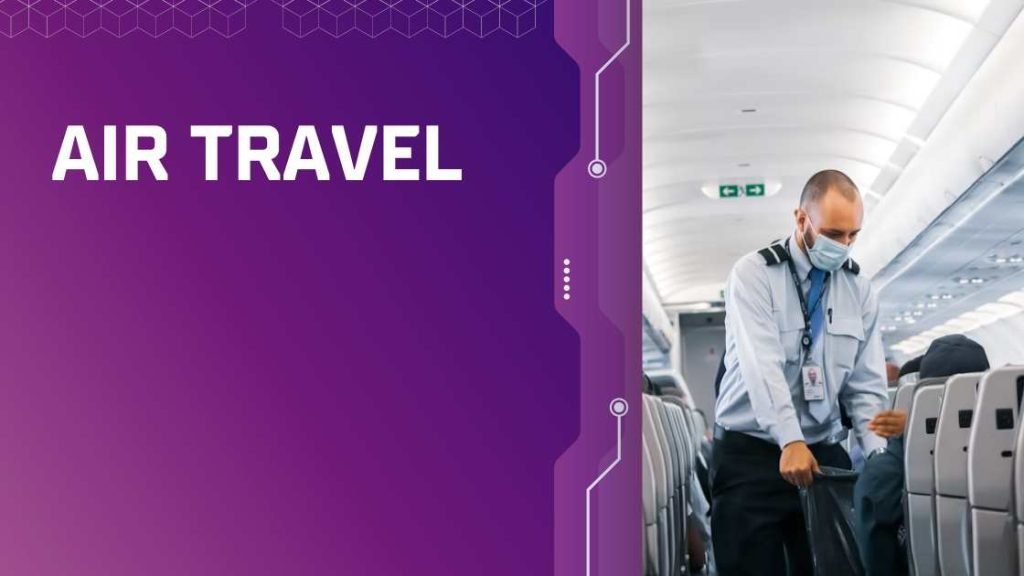
When safety is the destination, air travel often leads the way. Skies offer a realm where precision, regulation, and technology converge to create an impressive safety record.
Passengers worldwide entrust their lives to the aviation industry every day. Let’s explore why this mode of transportation might deserve the title of the safest.
Safety Records Of Airlines
Airlines operate with a safety-first mindset. This focus is evident in the statistics. Air accidents are incredibly rare compared to other forms of travel. Stats illustrate this fact. Here’s how:
- Strict regulations keep air travel in check.
- Regular maintenance ensures aircraft safety.
- Pilot training is rigorous and comprehensive.
Airlines prioritize safety, resulting in fewer accidents per million flights. Data from the International Air Transport Association (IATA) suffices as proof, with the 2019 Safety Report showing a decline in accident rates.
Advancements In Aviation Technology
Technology in aviation has soared. Cutting-edge advancements now act as co-pilots, ensuring that your trip through the clouds is as secure as possible. Innovations include:
| Advancement | Benefit |
|---|---|
| Autopilot systems | Reduce human error |
| Real-time monitoring | Track flights globally |
| Enhanced navigation tools | Improve route precision |
Advanced weather tracking minimizes disruptions. The latest safety protocols address potential threats effectively.
Automobiles: A Closer Look At Road Safety
Exploring the realm of road safety, when it comes to traveling by car, requires an in-depth look at the various elements that come into play. With safety as a top priority for travelers interpretation and addressing these factors is necessary for a secure journey.
The right combination of advanced safety features and driver awareness can significantly reduce the risks associated with automobile travel.
Factors Affecting Car Travel Safety
Road safety is multifaceted, influenced by an array of factors that can impact the likelihood of incidents. It’s not just the car’s condition but also external and internal elements that play a role.
- Weather Conditions: Rain, snow, fog, and ice can impair visibility and traction.
- Road Design: Poorly designed intersections and lack of signage contribute to accidents.
- Traffic Laws: Adherence to speed limits and traffic signals is essential.
- Driver Behavior: Responsible driving habits are key to preventing crashes.
Every driver must stay informed and vigilant to create a safe driving environment for all.
Improvements In Vehicle Safety Features
As technology advances, cars are now equipped with cutting-edge safety features to safeguard passengers. Innovations focus on both prevention and protection during accidents.
| Feature | Description | Impact |
|---|---|---|
| Anti-lock Braking System (ABS) | Prevents wheel lockup during braking. | Enhances control during emergency stops. |
| Electronic Stability Control (ESC) | Improves vehicle’s stability. | Reduces the risk of skidding and loss of control. |
| Adaptive Cruise Control | Maintains a set distance from the car ahead. | Minimizes chances of rear-end collisions. |
| Blind Spot Detection | Alerts when a vehicle enters the blind spot. | Prevents sideswipe accidents. |
Modern vehicles are often fitted with an array of sensors and cameras, adding an extra layer of protection. The incorporation of advanced airbags and crumple zones further shields occupants from injury. With these provisions, automobile travel continues to become safer.
Trains And Trams: On The Right Track?
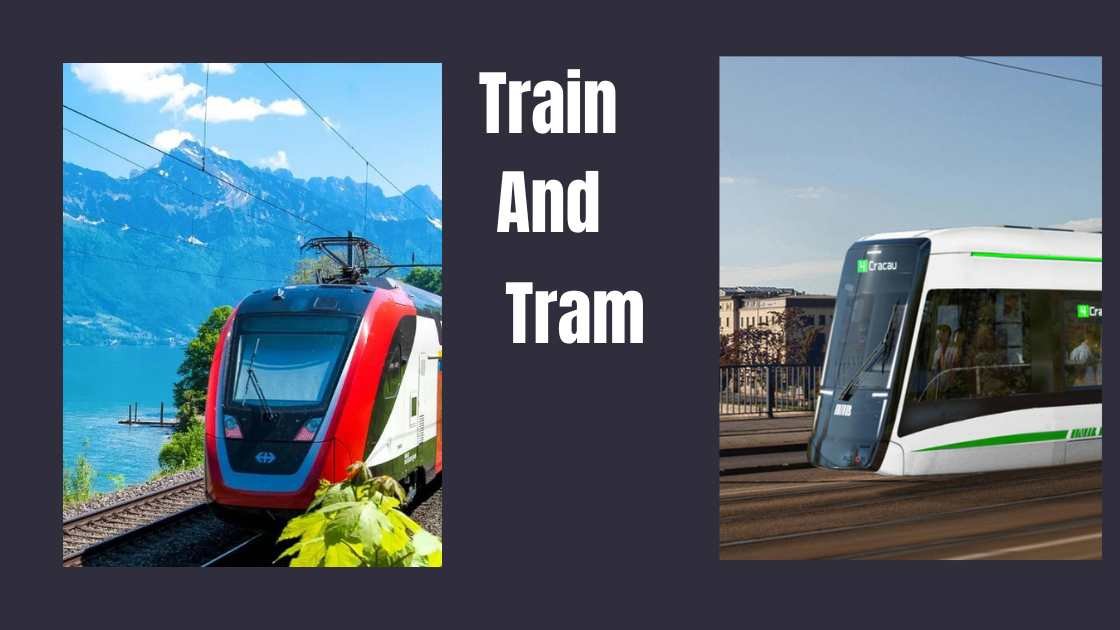
Many passengers ponder safety when planning their journeys. Among various options, trains and trams stand out.
Not only do they paint a picture of nostalgic charm, but they also boast impressive safety records. Let’s explore the reasons that may put rail travel at the top of your list for the safest modes of transport.
Rail Infrastructure And Accident Rates
Rail networks, with their unique infrastructure, are designed for safety and efficiency.
| Country | Accident Rate (per million train-km) |
|---|---|
| Country A | 0.5 |
| Country B | 0.2 |
| Country C | 0.1 |
Rail accidents are relatively rare. The data above shows low rates across different countries. The secret? Sturdy construction, regular maintenance, and advanced signaling help prevent mishaps.
Safety Protocols In Rail Transport
Strict safety protocols govern rail systems. Here are some vital measures:
- Regular Inspections: Tracks and trains undergo thorough checks.
- Automated Systems: Reduce human error.
- Driver Training: Ensures skilled operation.
- Emergency Procedures: In place for swift responses.
These protocols build a layer of safety for passengers. Trains and trams embody a transport method where safety and reliability are paramount.
Maritime Journeys: Sailing Into Safety
Traveling by sea paints images of the vast, open ocean and gentle waves. Maritime travel is often synonymous with serenity and timeless adventure. Let’s explore why many consider this method of journeying as one of the safest options out there.
Ship Construction And Stability
Modern vessels boast impressive engineering feats. They are not just immense; they are meticulously designed for stability. Top-notch construction techniques and materials ensure ships remain buoyant and stable even on choppy waters.
Safety features on ships include:
- Water-tight compartments that prevent sinking
- Bulkheads that enhance balance and survivability
- Advanced navigation systems for safe passage
Sophisticated technologies, such as stabilization systems, also play a vital role. They counteract the motion of the sea, offering a smoother ride. These systems greatly reduce the risk of seasickness and ensure comfort for passengers.
Historical Perspectives On Maritime Disasters
Maritime journeys have evolved dramatically over the centuries. The stories of historical shipwrecks have led to far-reaching safety improvements.
| Disaster | Year | Impact |
|---|---|---|
| Titanic | 1912 | Led to better lifeboat protocols |
| Lusitania | 1915 | Increased focus on hull integrity |
| Estonia | 1994 | Enhanced maritime safety regulations |
Each incident has spurred stricter regulations and oversight. Today’s ships reap the safety benefits from these lessons learned. International organizations now enforce safety standards that every seaworthy vessel must meet.
Public Transportation: Pros And Cons
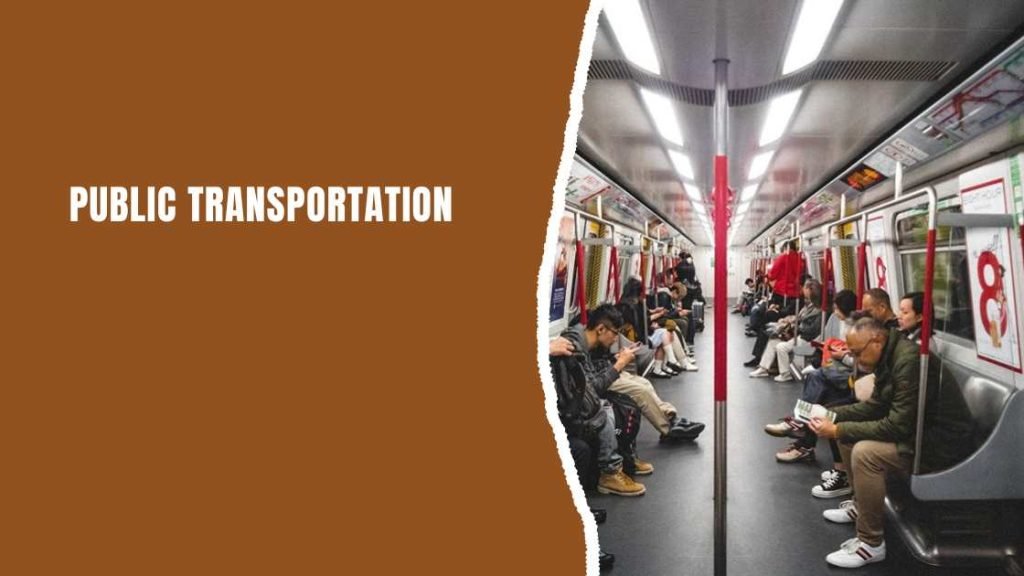
Choosing how to travel often involves weighing different factors. Safety stands out as a top concern for many. Public transportation offers a unique set of advantages and drawbacks. Let’s explore the safety aspects of buses and metros compared to private transport.
Bus And Metro Safety Standards
Buses and metros must adhere to strict safety regulations. Regular inspections and maintenance ensure these vehicles remain safe for public use.
- Bus drivers undergo rigorous training and must hold special licenses.
- Metro systems are monitored with surveillance equipment to enhance security.
Emergency procedures are in place to handle unexpected events, providing passengers with guidelines for safe evacuation.
Public Versus Private Transport Risks
| Public Transport | Private Transport |
|---|---|
| Reduced risks of accidents due to professional drivers | Higher risk due to diverse driver skill levels |
| Potential for infectious disease spread | Control over personal hygiene environment |
| Crowding can be a security concern | Personal space but isolated in case of emergencies |
While public transport minimizes some risks, it introduces others. The chances of traffic accidents lower as experienced drivers are at the wheel. Yet, during peak hours, crowded conditions may pose security challenges. Private vehicles offer more control over your immediate environment but lack the consistent safety checks found in public systems.
The Role Of Maintenance In Transportation Safety
Travel safety is a top priority. Regular maintenance plays a huge role. All travel methods need it. In trains, planes, or cars, safety starts with proper upkeep.
Scheduled Inspections And Preventive Measures
Scheduled inspections are key for safety. They help find issues before they cause trouble. Mechanics check important parts. This practice keeps travelers safe.
- Brakes get tested.
- Tires are checked for wear.
- Engines get a thorough look.
Preventive measures mean fixing small problems. This stops bigger issues. Your travel becomes more reliable.
Impact Of Deferred Maintenance
Ignoring maintenance can lead to risk. This is called deferred maintenance.
| Risks | Consequences |
|---|---|
| Worn brakes | Increases accident chances. |
| Old tires | Can cause a blowout. |
| Damaged lights | Reduces visibility. |
Delays in maintenance can cost more. Safety hazards rise. Travel may not be safe.
Human Factors In Transport Safety
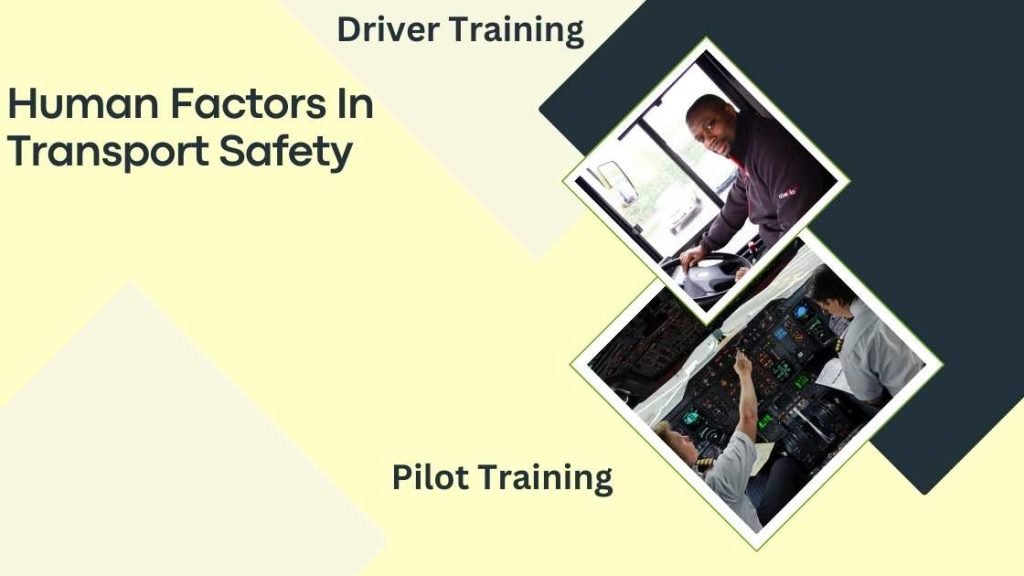
Travel safety often hinges on human oversight. Choices made by drivers, pilots, and crew profoundly impact our journey. Training quality, experience, and attention to detail play vital roles in ensuring transport safety.
Driver Training
Driver training sets the stage for safe road travel. Professional drivers undergo rigorous courses where they learn about:
- Traffic laws
- Vehicle maintenance
- Defensive driving techniques
This education helps prevent accidents, making roads safer for everyone. Buses and trucks demand specialized training due to their size and cargo.
Pilot Training
Flying is often deemed the safest form of long-distance travel. This safety record is largely due to extensive pilot training. Pilots learn about:
- Aircraft operation
- Emergency procedures
- Weather patterns
Their simulator sessions and flight hours prepare them to deal with varied scenarios.
Crew Training
Onboard crew members are perceptive safety guardians. Their training involves:
| Area | Focus |
|---|---|
| Emergency Response | Evacuations, first-aid |
| Customer Service | Conflict resolution, safety briefings |
This ensures swift action during unexpected events, enhancing overall safety.
The Influence Of Human Error
Despite rigorous training, human error can tip the scales. Stress, fatigue, and miscommunication often lead to mistakes. The transportation industry combats this with:
- Rest policies for adequate sleep
- Checklists to avoid oversights
- Teamwork exercises to improve coordination
Such measures help curb errors and enhance travel safety.
Comparing And Choosing Your Travel Method
When planning a trip, safety ranks high in decision-making. Various travel options present unique risk profiles. It’s essential to analyze these to pinpoint the safest travel method tailored to individual needs.
Assessing Personal Risk Tolerance
Determining personal comfort with risk is a vital first step in travel planning. People have different thresholds for uncertainty and danger. It’s necessary to evaluate personal health, the likelihood of travel-related stress, and overall safety concerns.
- Personal health can dictate suitable travel modes.
- Travel-related stress varies by transportation type.
- Risk evaluation must consider current travel advisories.
Convenience, Cost, And Safety: Making An Informed Decision
Travel involves balancing convenience, expense, and safety. It’s smart to choose a mode that aligns with these factors. Research and preparation can foster a secure, stress-free journey.
| Travel Method | Convenience | Cost | Safety |
|---|---|---|---|
| Air Travel | Fast, less frequent delays | Varies widely, can be expensive | Highly regulated, generally safe |
| Car Travel | Flexible, on-demand | Cost-effective for groups | Risk depends on driving conditions |
| Public Transportation | Accessible in cities | Usually budget-friendly | Safe with crowd-related caveats |
| Cycling/Walking | Healthy, eco-friendly | Free or low-cost | Safe in designated areas |
Analyze each travel method with a keen eye on safety records and personal preferences. Always compare the costs but never compromise safety for savings.
Frequently Asked Questions For Which Method Of Travel Do You Consider Safest
Which Method Of Transport Do You Consider The Safest?
Statistically, air travel is considered the safest mode of transportation, with the lowest accident rates per mile.
Which Is The Safest Form Of Travel?
Air travel is widely considered the safest form of transportation based on fatality rates and rigorous safety standards.
Which Method Of Travel Is The Best?
The best method of travel depends on your priorities, such as speed, cost, comfort, and environmental impact. Consider your destination, budget, and preferences to choose the most suitable option.
What Is The Safest Way To Travel Plane Or Train?
Statistically, flying is the safest way to travel, with fewer accidents compared to train travel. Airlines adhere to stringent safety regulations, making air travel highly secure.
Conclusion
Deciding on the safest travel method is a personal choice shaped by various factors. Consider your comfort, destination, and safety records of transportation options. Always prioritize precautions and up-to-date travel advisories. Let your journey be guided by research and well-informed decisions to ensure peace of mind.
Remember, the safest trip is a well-planned one.