Skip to content
Yes, Google Earth offers a feature to Investigate various natural habitats where you can occasionally spot wildlife. It does not guarantee real-time viewing of animals, but you can explore regions where they live.
Google Earth is like a super cool map that helps you look at all the different places on our planet. You can use it to see mountains, oceans, and where animals live. It’s like going on an adventure without leaving your house!
Can you see wildlife on Google Earth? Google Earth is like a big map with cool pictures from space. You can learn about the Earth and see where animals might live. It’s like going on a virtual adventure without real animals moving around.
Wild Animals On A Virtual Sphere
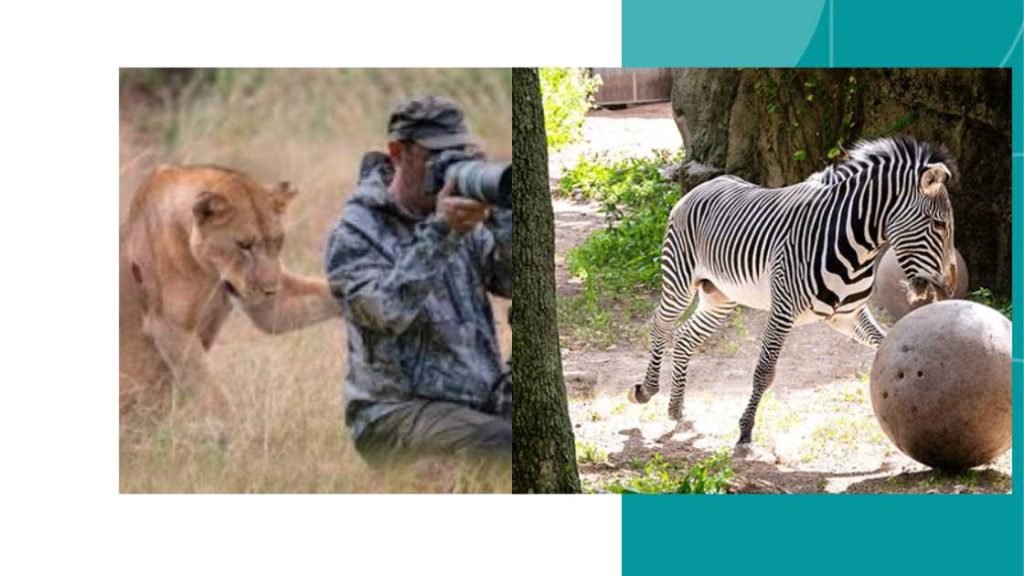
Exploring National Parks
Many national parks partner with Google Earth to showcase their wild residents. These collaborations result in virtual tours that highlight the parks’ diverse ecosystems.
With Google Earth’s ‘Voyager’ feature, virtual Investigate can navigate through trails and watch nature unfold.
- Yellowstone National Park: Geyser basins and roaming bison
- Serengeti National Park: Lions, cheetahs, and vast migrations
- Banff National Park: Grizzlies and breathtaking mountain scenes
High-resolution Habitats
| Habitat | Animal Sightings Possible |
|---|---|
| African Savannah | Elephants, Giraffes, Zebras |
| Arctic Tundra | Polar Bears, Arctic Foxes |
| Tropical Rainforest | Orangutans, Parrots, Jaguars |
Google Earth’s Tools For Finding Fauna
Navigating With Street View
Street View on Google Earth brings you closer to nature. It allows you to stroll through habitats where animals dwell. Imagine walking through Serengeti National Park from your screen.
Street View might reveal elephants bathing or lions lounging. Click the pegman icon to start your journey and use the arrow keys to move around.
Satellite Imagery And Animal Spotting

With satellite imagery, Google Earth offers a bird’s-eye view of animals. It’s thrilling to find herds of animals in the wild. Many users highlight sightings of animals in their natural habitats just by zooming in.
While live sightings are not guaranteed, the natural patterns and movements of wildlife often leave visible markers unmistakable from above.
- Zoom in on waterholes to potentially spot wildlife gatherings.
- Look for color contrasts in forests that may signify animal presence.
- Use time-lapse features to observe migratory patterns.
Tech Meet Wild: How Accurate Is Wildlife Representation?
Exploring the natural world from our screens, Google Earth offers a unique window into wildlife habitats. Enthusiasts can virtually travel across continents to view animals in their natural surroundings.
Yet, questions arise about the representation’s accuracy. How well does technology capture the essence of the wild? Do pixels reveal the real-time wonders of nature or offer merely a glimpse?
Real-time Versus Archived Images
Google Earth primarily displays archived satellite imagery. While users can survey expansive terrains and spot animals, these visuals are not real-time.
Animals migrate, and seasons change, but satellite images may not show these dynamics. Current conditions in wildlife regions differ from the snapshots provided. Below reflects the nature of images on Google Earth:
- Timespan: Photos are from different dates and times, not reflecting the present.
- Digital Updates: Imagery refreshes periodically, not continuously.
- Live Feeds: Google Earth lacks live cameras, limiting real-time viewing.
The Constraints Of Pixelation
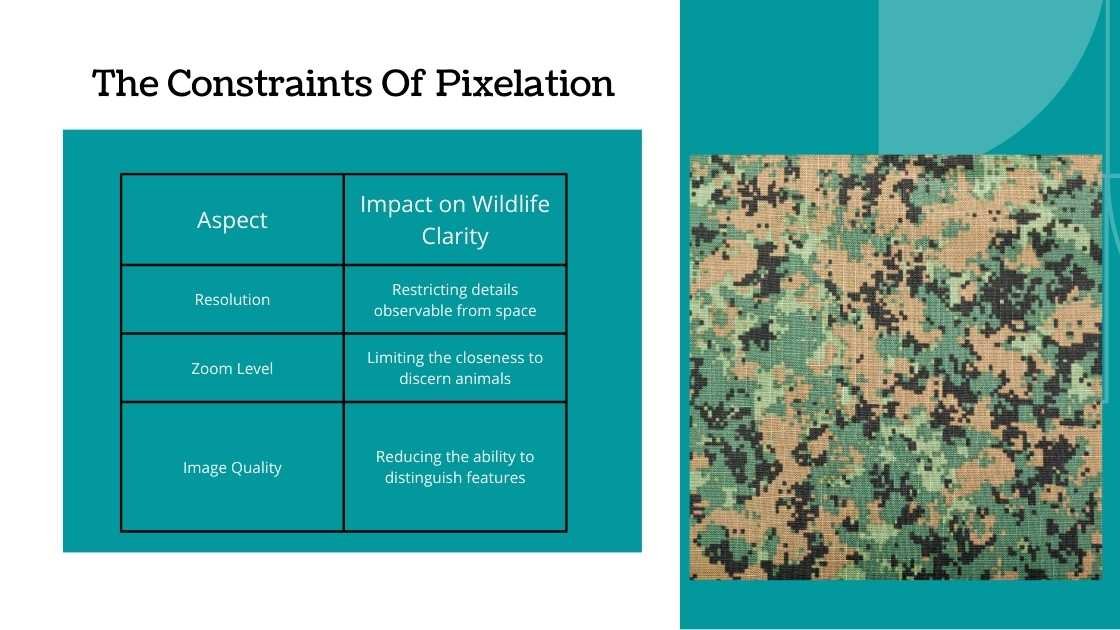
Even high-resolution satellite images have limitations. Zoom in too close, and animals transform into blurry shapes. Identifying species becomes a challenge. The tech behind Google Earth faces constraints that impact wildlife clarity:
| Aspect | Impact on Wildlife Clarity |
|---|---|
| Resolution | Restricting details observable from space |
| Zoom Level | Limiting the closeness to discern animals |
| Image Quality | Reducing the ability to distinguish features |
Success Stories: Spotting Wildlife On Google Earth
The digital age delivers wonders right onto our screens. Google Earth stands as a window to the natural world. Wildlife enthusiasts can investigate remote habitats. From the comfort of home, they see majestic creatures.
Elephants In Africa
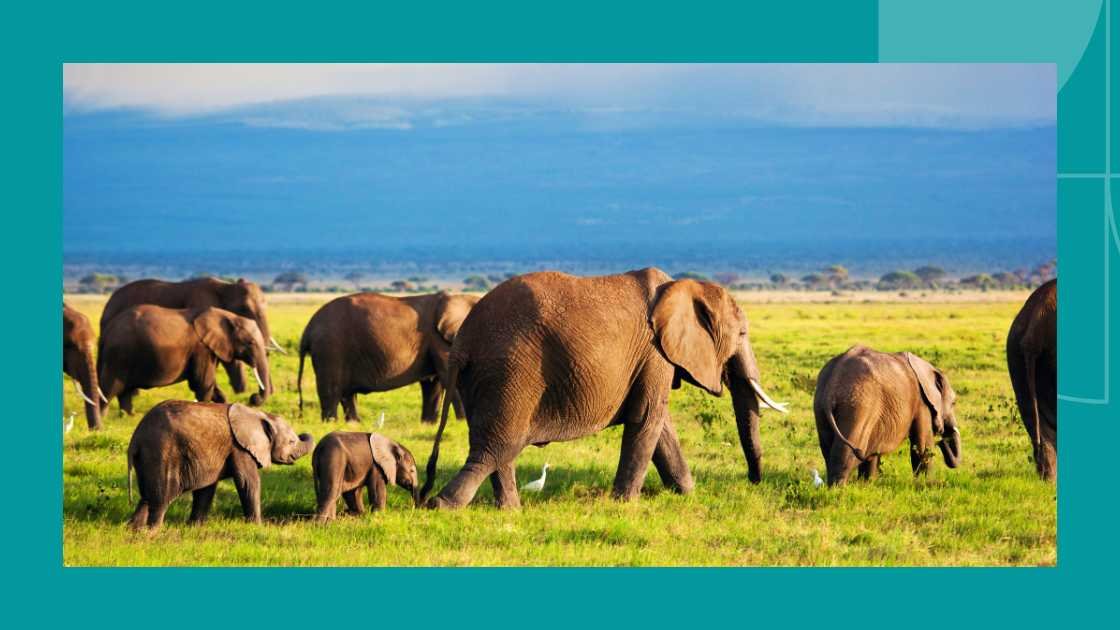
Google Earth provides a unique vantage point to view elephants. Elephant herds roam across the African savannas.
Users zoom in on famous reserves like the Serengeti.
- Screens bring to life these gentle giants.
- Elephants’ migratory patterns are visible.
- Conservationists track and study herd movements.
Polar Bears In The Arctic
The Arctic’s icy expanses are home to polar bears. With Google Earth, viewers catch glimpses of white bears.
Shrinking ice caps makes spotting polar bears more important.
- Users witness the bears’ struggle for survival.
- Climate change effects become more apparent.
Conservation Efforts And Public Engagement
Conservation Efforts and Public Engagement play a critical role in wildlife protection. With innovative tools like Google Earth, these efforts are now more accessible to the general public than ever before.
The platform not only offers a chance to investigate our planet’s geography but also brings the beauty and reality of wildlife into our lives from the comfort of home.
Raising Awareness Through Virtual Safaris
Google Earth allows users to begin on virtual safaris, opening a window to the natural habitats of many species. These digital journeys highlight the importance of biodiversity and inspire a love for animals and ecosystems in danger.
- Investigate diverse environments from savannas to oceans.
- Detect species you’ve never seen before.
- Understand the impacts of climate change on wildlife.
Collaborations With Conservation Organizations
Google Earth collaborates with major conservation organizations to bring real-world conservation stories to the forefront.
By presenting data and insights, these partnerships strengthen protection efforts and educate the public on the significance of preserving natural habitats.
| Organization | Mission | Impact |
|---|---|---|
| WWF | Preserving wildlife | Global awareness campaigns |
| Conservation International | Safeguarding nature | Protected area support |
| Ocean Conservancy | Healthy oceans | Marine life conservation |
Educational Applications Of Google Earth For Wildlife
The ‘Educational Applications of Google Earth for Wildlife’ opens a dynamic world of discovery. It’s a tool bringing animals from around the globe into classrooms and research labs.
Interactive Learning For Students
Google Earth serves as a virtual field trip. Young minds Search habitats without leaving school. This platform supports interactive education, engaging students with real-world examples.
- Visual exploration of different ecosystems.
- Tracking animal migrations in real-time scenarios.
- Knowing conservation challenges and efforts.
Research Benefits For Scientists
Researchers gain vast data pools from Google Earth. They study wildlife patterns and changes in environments. This tool aids in preserving biodiversity.
| Research Area | Google Earth Contribution |
|---|---|
| Habitat Monitoring | High-resolution imagery for analyses. |
| Species Distribution | Mapping tools to track locations. |
| Climate Impact Studies | Historical data layers for comparison. |
The Future Of Wildlife Exploration Online
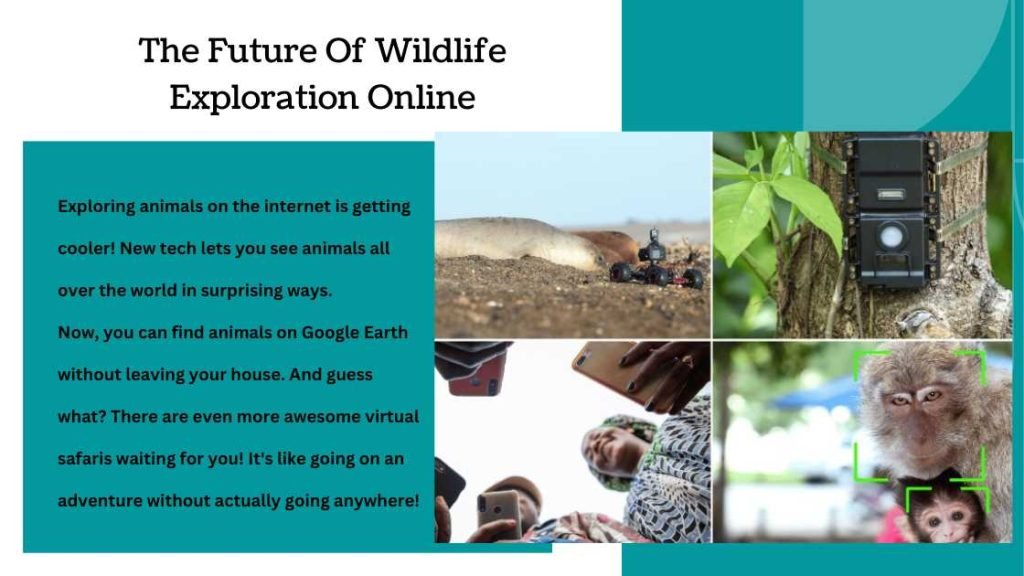
The realm of online wildlife exploration is rapidly changing. New technologies now offer unexpected ways to observe animals across the globe.
You can find wildlife from the comfort of your home through Google Earth, but that’s just the beginning. Prepare to start on virtual safaris that were once deemed impossible.
Advancements In Satellite Tracking
Thanks to modern satellite tracking, seeing wildlife in their natural habitats has never been easier. Coupling high-resolution imagery with sophisticated tracking systems, these advancements allows us to observe migratory patterns and daily behaviors of species otherwise hidden from view.
- Track large herds of elephants in Africa
- Follow the epic journeys of albatrosses over the oceans
Scientists use this data to protect endangered animals and preserve biodiversity. Enthusiasts have the opportunity to learn about conservation efforts and unseen wildlife phenomena.
Virtual Reality And The Wild
Virtual Reality (VR) transforms how we experience wildlife documentaries. By wearing a VR headset, anyone can stand in the middle of the Serengeti or dive deep into the Coral Triangle. This technology infuses a sense of presence, making the experience engaging and immersive.
| Experience | Technology Required |
|---|---|
| Land | VR Headset |
| Underwater | Submersible VR |
Virtual safaris and underwater explorations enrich our understanding of animal behavior. They stimulate conservation efforts by creating emotional connections between humans and wildlife.
Frequently Asked Questions On Can You See Wildlife On Google Earth
Can You See Safari Animals On Google Earth?
Yes, Google Earth offers views of different environments, including places where safari animals live, allowing virtual wildlife spotting.
How Do I See Animals On Google?
To see animals on Google, search for an animal and click on the “View in 3D” button in the search results.
Can You See Elephants From Google Earth?
Yes, Google Earth can show elephants, especially if they’re in large herds or captured by high-resolution satellite imagery. Spotting individual elephants is not guaranteed due to varying image update frequency and resolution.
Can You See Live With Google Earth?
No, Google Earth does not offer live viewing. It displays satellite images that are updated periodically, not in real-time.
Conclusion
Exploring Google Earth proves to be a delightful virtual safari. Discovering wildlife through this platform is indeed possible and quite fascinating. Sink into nature’s marvels from the comfort of your home. Remember, this tool provides a glimpse – nothing beats witnessing these creatures in their natural habitats.
Discover this amazing technology for a special adventure with wild animals.