Skip to content

Are you wondering if your trail running shoes can double up for road running? It’s a question many runners face, especially when switching between trails and pavement.
You might think trail shoes are tough enough for any surface, but using them on the road isn’t always straightforward. Could wearing trail shoes on asphalt affect your comfort or performance? Will they wear out faster? You’ll discover the pros and cons of using trail running shoes on roads, when it’s okay to do so, and why having the right shoe for each surface might save you from injury and frustration.
Keep reading to find out how to get the most from your shoes—whether you’re hitting the trail or pounding the pavement.
You May Like
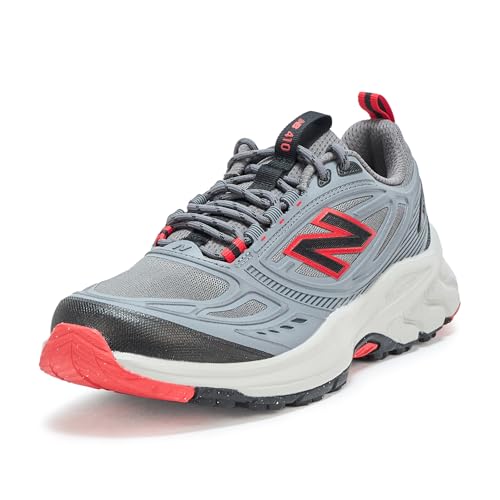
- FRESH FOAM CUSHIONING – Upgraded midsole engineering delivers best-in-class…
- AT TREAD OUTSOLE – Versatile all-terrain traction provides confident grip…
- DURABLE TRAIL CONSTRUCTION – Reinforced overlays and breathable mesh upper…
- BIO FOAM MIDSOLE – Soft, responsive BIO Foam cushioning works with Fresh…

- DynaSoft midsole couples ultra-responsive performance with plush comfort
- AT Tread outsole provides versatile traction during both on and off-road…
- Lifestyle-inspired upper design for effortless style
- Regrind upper overlay for added durability

- Rugged outsole: Grippy lugs on the outsole are made with carbon rubber for…
- Versatile cushioning: A moderate stack VERSARUN cushioning packs plenty of…
- Durable protection: The trail-specific mesh with supportive overlays locks…
- Lighter footprint: This style contains recycled materials.

- Our grippy MaxTrac outsole provides the perfect combination of grip,…
- A StoneGuard provides underfoot protection on the trail, over rocks,…
- This product received the American Podiatric Medical Association (APMA)…
Credit: www.arloren.com
Trail Vs Road Shoes
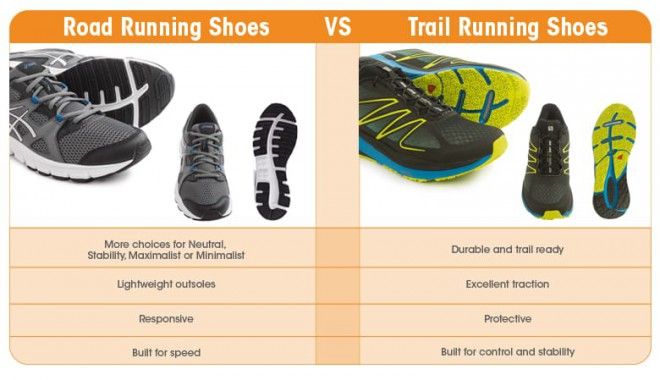
Trail running shoes and road running shoes serve different purposes. Understanding their differences helps you choose the right shoe for your run. Both types focus on comfort and safety but are designed for distinct terrains. Knowing these details guides you in picking shoes that protect your feet and improve your running experience.
Tread Design Differences
Trail shoes have deep, aggressive lugs. They provide grip on mud, rocks, and uneven ground. Road shoes have flatter soles with shallow treads. These allow smooth contact with pavement and asphalt. Using trail shoes on roads can feel clunky. The lugs wear down faster on hard surfaces.
Cushioning And Support
Road shoes focus on cushioning to absorb impact on hard surfaces. They have softer midsoles and more padding. Trail shoes offer firmer support to protect against sharp objects. Their cushioning is usually stiffer for stability. Running long distances on roads with trail shoes may cause discomfort.
Weight And Breathability
Road shoes are lighter and more breathable. They use mesh fabrics to keep feet cool. Trail shoes are heavier due to added protection layers. Their materials focus on durability and water resistance. This can lead to more heat and sweat during road runs.
Drawbacks Of Trail Shoes On Pavement
Trail running shoes excel on rugged paths, but pavement exposes their limits. Using them on hard surfaces can lead to several drawbacks. These issues affect comfort, shoe lifespan, and running experience. Understanding these downsides helps choose the right shoe for your run.
Faster Sole Wear
Trail shoe soles wear out quickly on asphalt. Their soft rubber lugs grip dirt but erode fast on pavement. This reduces shoe life and value. Constant road running means replacing shoes more often. This adds extra cost and waste.
Reduced Comfort On Hard Surfaces
Trail shoes have firmer midsoles designed for uneven ground. On flat pavement, they feel stiff and less cushioned. This can cause foot fatigue and discomfort. The lack of shock absorption may lead to aches or injuries over time.
Increased Heat And Moisture
Trail shoes often use thicker materials for protection. This limits breathability on hot roads. Feet can get sweaty and overheated quickly. Excess moisture increases the risk of blisters and skin irritation. Road shoes usually offer better ventilation.
Clunky Road Feel
Trail shoes have aggressive tread patterns for grip on trails. On smooth pavement, these lugs create an uneven, clunky feel. The shoe may feel heavy and unstable. This affects running form and reduces efficiency.
When Trail Shoes Work On Roads
Trail running shoes are built for rough, uneven surfaces. They have strong grips and tougher materials. These features can feel odd on smooth roads.
Still, there are times trail shoes work well on pavement. Knowing when helps you avoid discomfort and shoe damage.
Short Road Segments
Sometimes a run starts or ends on pavement. Trail shoes handle short road parts without trouble. This is common for door-to-trail runs.
The grip and protection from trail shoes help when you switch to dirt. For short road stretches, they stay comfortable enough.
Occasional Pavement Use
If you run mostly on trails, a little road running is okay. Wearing trail shoes on pavement once in a while won’t cause quick wear. It also won’t hurt your feet much.
Keep in mind, frequent road use wears the soles faster. Use trail shoes on roads only sometimes to keep them lasting longer.
Road-to-trail Hybrid Models
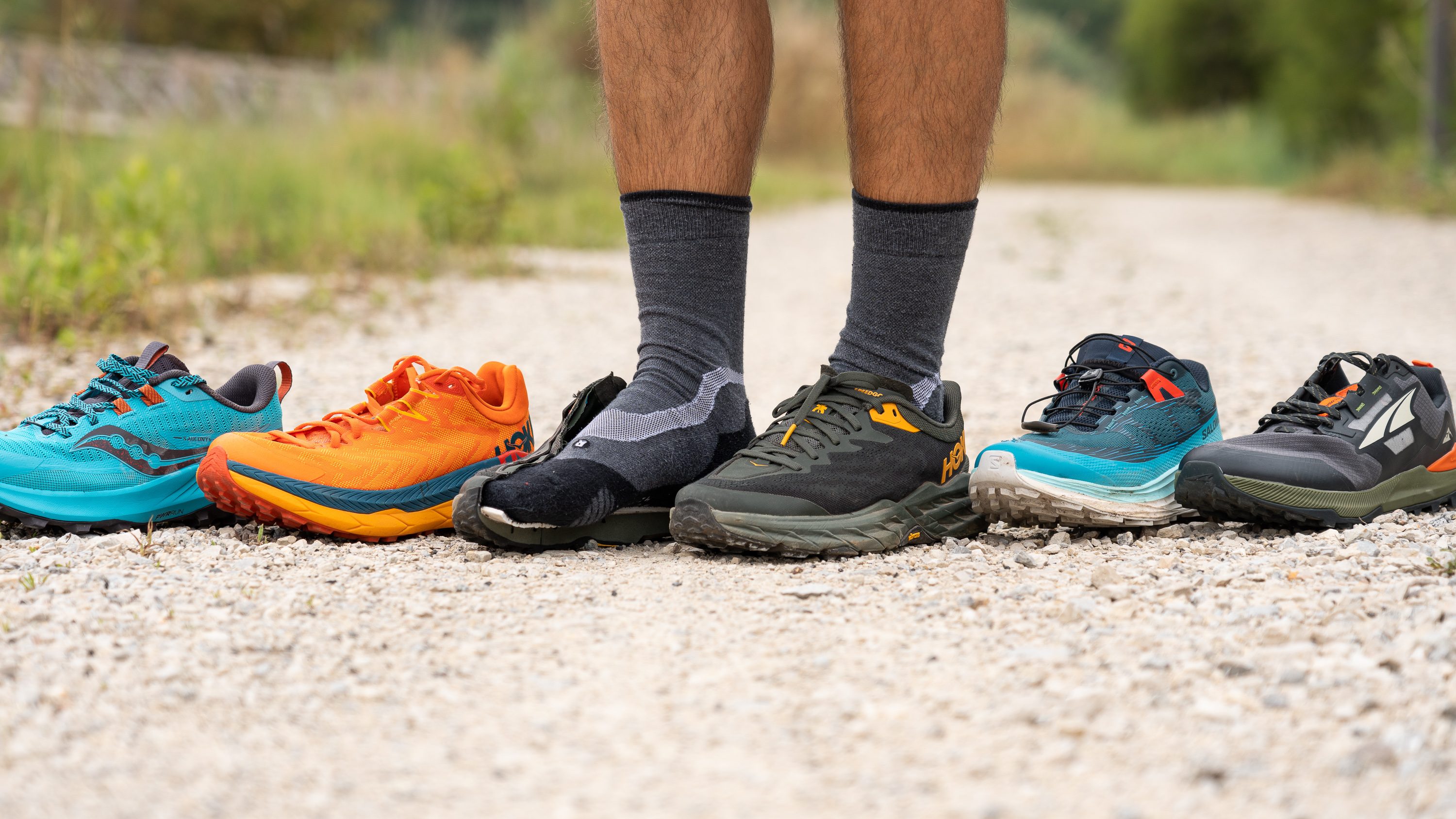
Some trail shoes are made for both road and trail use. These hybrid models have softer soles and lighter weight. They offer more comfort on pavement.
Hybrid shoes provide a balance between grip and cushioning. They work well for runners who switch between surfaces often.
Credit: runrepeat.com
Injury Risks And Performance Impact
Choosing the right shoe affects your injury risk and running performance. Trail running shoes have unique designs made for rough, uneven paths. Using them on roads may cause discomfort and reduce efficiency. Understanding these effects helps you avoid pain and improve your runs.
Foot Pain From Firm Soles
Trail shoes often have firmer soles to protect feet from rocks and roots. On hard pavement, these firm soles can cause foot pain. The lack of soft cushioning means your feet absorb more shock. This extra impact can lead to soreness, especially during long runs.
Reduced Energy Efficiency
Trail shoes tend to be heavier and less flexible than road shoes. Their thick tread and stiff construction make it harder to push off the ground. This reduces your running efficiency and can tire your legs faster. On smooth roads, lighter shoes help you run with less effort.
Potential For Blisters
The design of trail shoes often includes tighter fits and thicker materials. Combined with extra foot sweat on roads, this increases the chance of blisters. The rough tread can also rub against your skin more. Blisters cause pain and may force you to stop running.
Best Practices For Mixed Terrain
Running on mixed terrain challenges your feet and shoes differently. Using the right approach helps protect your feet and improves comfort. Mixing trail and road surfaces needs careful shoe choices and habits. Following best practices keeps you running longer and safer.
Shoe Rotation Strategies
Rotating shoes prevents fast wear and tear. Use trail shoes on rough paths and road shoes on pavement. This spreads out the stress on each pair. It helps maintain grip and cushioning for longer. Rotate often to keep shoes fresh and feet safe.
Investing In Dedicated Shoes
Buying separate shoes for trail and road running pays off. Trail shoes have tough soles for rocky ground. Road shoes offer softer cushioning for hard surfaces. Dedicated shoes reduce the chance of injury. They also improve running efficiency and comfort.
Choosing Versatile Models
Some shoes work well on both road and trail. These models have moderate tread and good cushioning. They are lighter than typical trail shoes but tougher than road shoes. Versatile shoes suit runners who switch surfaces often. Choose them for short runs with mixed terrain.

Credit: bandannarunning.com
Expert Recommendations
Experts weigh in on using trail running shoes for road running. Their advice helps runners choose footwear wisely. Choosing the right shoe impacts performance and foot health.
Understanding when and how to use trail shoes on roads prevents discomfort and injury. Expert tips guide balancing comfort, shoe life, and training goals.
When To Avoid Trail Shoes On Roads
Trail shoes have thick, aggressive soles designed for rough terrain. On hard pavement, these soles wear out quickly. Experts say avoid using them for long road runs. The stiff design can cause foot pain on flat surfaces. Heavy trail shoes increase fatigue when running on roads. For best results, choose shoes made for the surface you run on.
Balancing Shoe Longevity And Comfort
Wearing trail shoes on roads shortens their lifespan. The rubber lugs degrade faster on asphalt. Experts recommend limiting road use to preserve shoe quality. Comfort decreases as cushioning wears down. Switching between trail and road shoes extends comfort and durability. Proper rotation also lowers injury risk by providing suitable support.
Optimizing Training With Proper Footwear
Training quality depends on correct footwear choices. Trail shoes excel on uneven, rocky paths. Road shoes offer better shock absorption on pavement. Experts advise matching shoes to training surfaces. Using the right shoes improves running efficiency and reduces injury chances. Some runners use versatile “road-to-trail” shoes for mixed terrain, but dedicated shoes remain best for consistent training.
Frequently Asked Questions
Can I Use My Trail Running Shoes On The Road?
Trail running shoes work for short road runs or mixed surfaces. They wear out faster and offer less cushioning on pavement. Use road shoes for regular road running to prevent discomfort and injury. Consider dual shoes for best performance and durability.
Are Trail Running Shoes Good For Road Running Too?
Trail running shoes work for occasional road runs but wear out faster and offer less cushioning on pavement. Use road shoes for regular, high-mileage, or speed-focused runs to protect your feet and improve performance.
Can You Use Trail Running Shoes For Everyday Running?
Trail running shoes work for short road runs but wear out faster and offer less cushioning on hard surfaces. Use road shoes for regular pavement running.
Is Trail Running Good For Road Runners?
Trail running benefits road runners by improving strength and balance. Use trail shoes occasionally on roads, but road shoes suit pavement better.
Conclusion
Trail running shoes can work on roads for short runs or mixed routes. They wear out faster and may feel less comfortable on hard pavement. Using road shoes on pavement helps protect your feet and improves performance. Choosing shoes based on your main running surface reduces injury risks.
For many runners, having both trail and road shoes is the best choice. This way, you stay comfortable and safe no matter where you run.