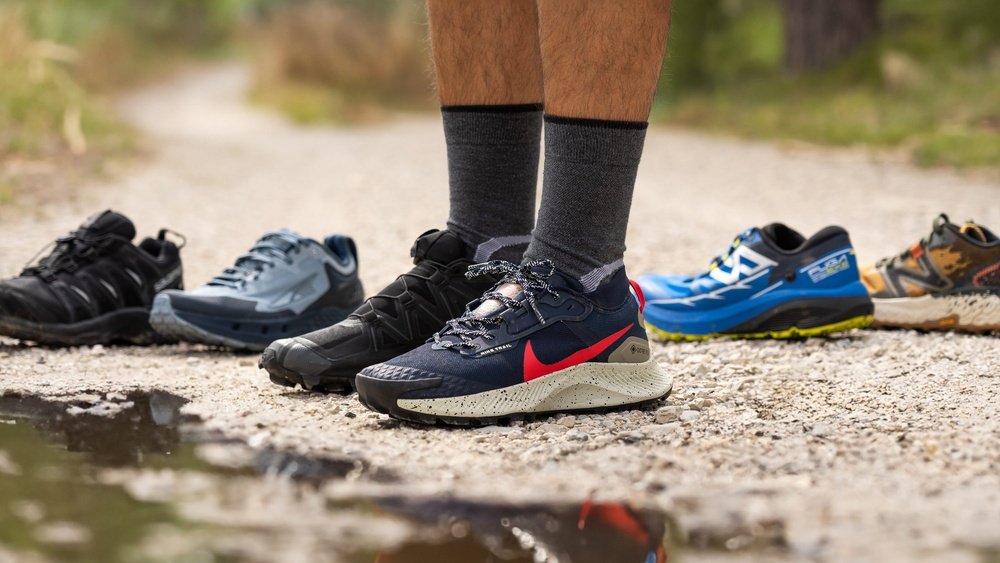
Are you wondering if trail running shoes can keep your feet dry when you hit wet, muddy paths? Whether you’re trekking through morning dew, splashing across streams, or caught in an unexpected rain shower, knowing if your trail running shoes are waterproof can make all the difference in comfort and performance.
You might be asking yourself: Do all trail running shoes repel water? Or should you look for special features to stay dry on the trails? This guide will clear up the confusion and help you choose the right shoes to keep your feet dry and comfortable, no matter the conditions.
Keep reading to find out everything you need to know about waterproof trail running shoes—and why it matters for your next run.
You May Like
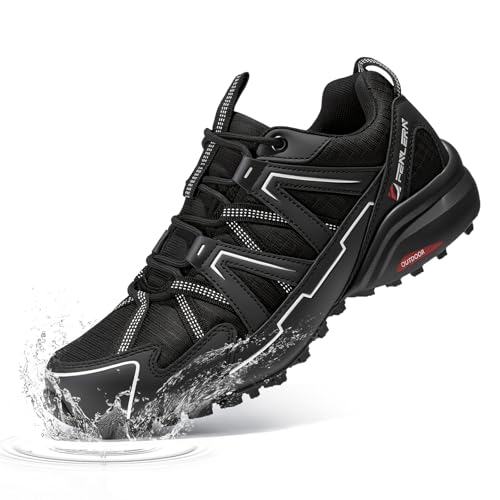
- 【BREATHABLE & ULTRA-DURABLE UPPER】Constructed from a high-strength,…
- 【SECURE FIT & ENHANCED PROTECTION】Our precision lacing system and…
- 【UNRIVALED ALL-TERRAIN GRIP】Engineered with an advanced…
- 【DYNAMIC CUSHIONING & COMFORT】- Experience ultimate comfort with our…
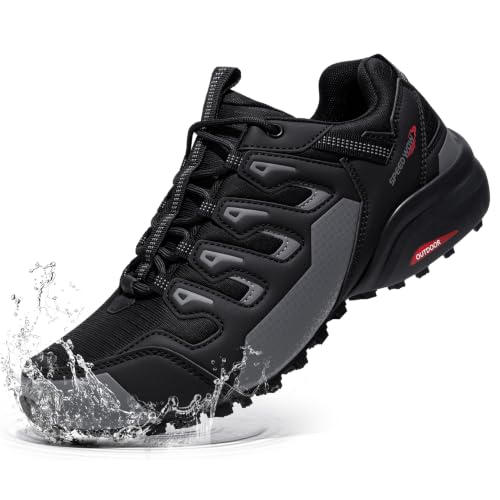
- Waterproof – Crafted from waterproof lining material to keep your feet dry…
- Feather-Light Comfort – We’ve crafted these shoes to be incredibly…
- Stylish: While retaining the basic functionality of running shoes, we’ve…
- Stable Rubber Outsole: Confidently tackle all terrains! Our durable rubber…
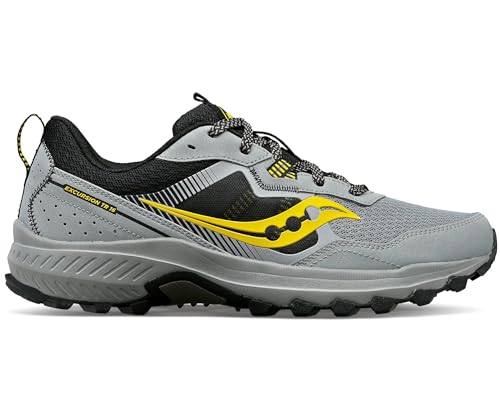
- VERSARUN cushioning absorbs impact and reduces pressure for comfortable…
- Toothy 4.5mm lugs provide dig in traction on the trails
- Durable mesh upper for trail-ready protection
- GORE-TEX shield is waterproof, helping to keep your feet dry
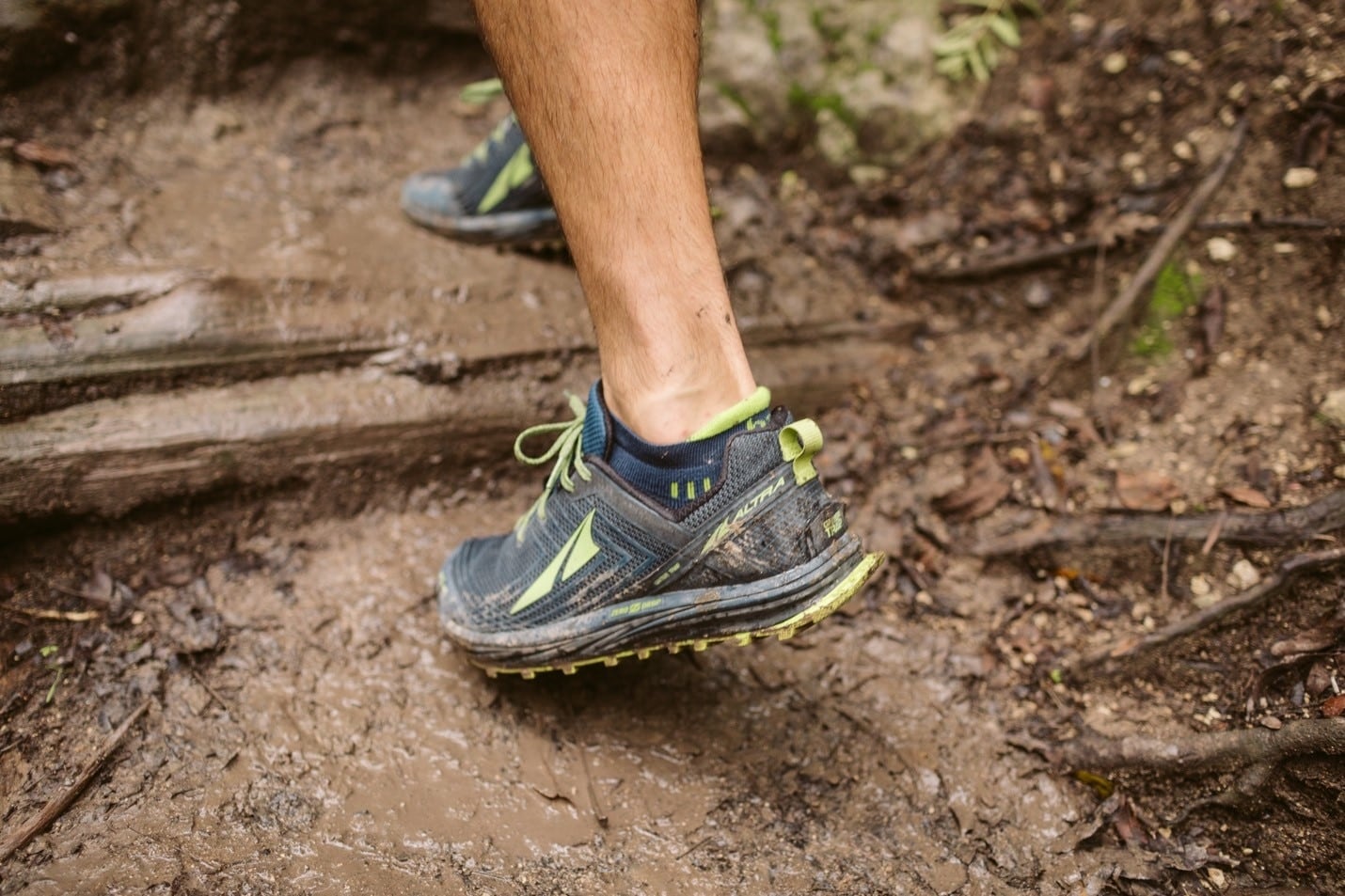
Credit: www.rei.com
Waterproof Features
Waterproof features are essential for trail running shoes that keep your feet dry in wet conditions. These features prevent water from entering while allowing sweat to escape. This balance helps maintain comfort and performance on muddy or rainy trails.
Manufacturers use specific materials, membranes, and construction techniques to achieve waterproofing. Understanding these elements helps you choose the right shoe for your trail adventures.
Materials That Repel Water
Many trail shoes use water-repellent fabrics on their outer layers. These materials stop water from soaking through quickly. Commonly, synthetic fibers with special coatings make the shoe surface resistant to rain and splashes.
Water-repellent materials also dry faster than natural fabrics. This feature reduces the time your feet stay wet after running through puddles or streams.
Waterproof Membranes
Waterproof membranes are thin layers inside the shoe that block water but allow sweat to escape. Popular membranes include Gore-Tex and eVent. They create a barrier that stops water molecules but lets water vapor out.
These membranes keep feet dry without causing overheating. They are lightweight and flexible, so they do not make the shoe stiff or heavy.
Seam Construction
Seams are weak points where water can enter shoes. Waterproof trail shoes use special seam sealing techniques. This process covers stitches with waterproof tape or glue to stop leaks.
Some shoes have fewer seams or use welded overlays instead. These designs reduce water entry points and increase durability for tough trails.
Pros Of Waterproof Trail Shoes
Waterproof trail running shoes offer several clear benefits that enhance your outdoor experience. These shoes keep your feet comfortable and safe in wet and unpredictable conditions. They provide practical advantages for runners who face rain, puddles, or muddy trails.
Keeping Feet Dry
Waterproof trail shoes stop water from soaking your feet. This helps prevent blisters and discomfort caused by wet socks. Staying dry keeps you focused and able to run longer. Dry feet also reduce the risk of fungal infections.
Protection Against Elements
These shoes shield your feet from mud, dirt, and small debris. They block cold wind and water, making runs more pleasant. The waterproof layer acts as a barrier, protecting your skin from harsh weather. This is especially useful in rainy or snowy environments.
Durability In Wet Conditions
Waterproof trail shoes often use strong materials to resist water damage. They last longer than non-waterproof shoes in wet conditions. The fabrics and soles are designed to hold up against constant moisture. This durability means fewer replacements and better value over time.
Cons Of Waterproof Trail Shoes
Waterproof trail running shoes offer protection from wet conditions. They keep your feet dry on rainy or muddy trails. Yet, these shoes also have some drawbacks. Understanding these cons helps you choose the right shoe for your needs.
Reduced Breathability
Waterproof materials block water but also limit airflow. This reduces breathability inside the shoe. Your feet may feel damp from sweat, not rain. Less ventilation can cause discomfort on long runs.
Increased Weight
Waterproof shoes often weigh more than regular trail shoes. Extra layers and membranes add bulk. Heavier shoes can slow you down and tire your legs faster. This matters on long or steep trails.
Potential Overheating
With less breathability, waterproof shoes trap heat inside. Your feet may become hot and sweaty. Overheating can lead to blisters and discomfort. This is especially true in warm weather or intense runs.
When Waterproofing Matters
Waterproofing in trail running shoes plays a key role in keeping your feet dry and comfortable. This feature matters most in certain conditions where water exposure is unavoidable. Choosing shoes with or without waterproof membranes depends on the type of terrain and weather you expect.
Protecting your feet from moisture helps prevent blisters and coldness. It also improves overall trail experience by maintaining grip and reducing discomfort. Understanding when waterproofing matters can guide your shoe selection for better performance.
Running In Wet Weather
Rainy days make trails slippery and muddy. Waterproof shoes stop rainwater from soaking through. This keeps your feet dry and warm during long runs. Dry feet reduce the risk of blisters and infections. Shoes with waterproof membranes also block cold wind and help maintain comfort.
Crossing Streams And Mud
Many trails have small streams or muddy patches. Waterproof trail shoes prevent water from seeping in here. This means you can cross without worrying about wet socks. Mud can clog shoes, but waterproof materials often resist dirt better. Keeping feet dry improves traction and reduces slipping risks.
Cold Climate Benefits
Cold weather makes wet feet dangerous. Waterproof shoes add an extra layer of protection. They stop cold water and snow from reaching your skin. This helps keep your feet warmer for longer. Warm feet lower chances of frostbite and discomfort on winter trails.
When To Choose Non-waterproof Shoes
Choosing between waterproof and non-waterproof trail running shoes depends on many factors. Non-waterproof shoes offer benefits in certain situations. Understanding when to pick them can improve your running experience. These shoes perform best under specific conditions that suit their design.
Dry Conditions
Non-waterproof trail running shoes work well in dry weather. Trails without water crossings or puddles make waterproof features unnecessary. Without water resistance, shoes can dry faster after sweat exposure. This keeps feet comfortable and reduces the chance of blisters.
Better Breathability Needs
Non-waterproof shoes usually have more breathable materials. Breathability helps air flow inside the shoe and cools down feet. This is important on hot days or during intense runs. Waterproof shoes often trap heat and moisture, causing discomfort. Choosing non-waterproof shoes helps feet stay dry from sweat.
Lightweight Performance
Non-waterproof trail shoes are often lighter than waterproof ones. Removing waterproof layers reduces weight and bulk. Lighter shoes allow faster, more agile movement on trails. They are ideal for runners focusing on speed and efficiency. Less weight also lowers fatigue on long runs.

Credit: kdfoundation.org
Water Resistance Vs. Waterproofing
Trail running shoes often come with features to protect your feet from wet conditions. Understanding the difference between water resistance and waterproofing helps in choosing the right shoe. Water resistance means the shoe can handle some moisture but not heavy water exposure. Waterproof shoes block water completely, keeping feet dry in wet environments.
Understanding Water Resistance
Water-resistant shoes have materials that repel small amounts of water. They stop light rain or splashes from soaking through quickly. The fabric and coatings slow water from entering, but they do not seal the shoe fully. Breathability stays high in water-resistant shoes, making them comfortable for long runs. They are best for damp trails or light drizzle.
Limits Of Waterproof Shoes
Waterproof trail shoes use membranes like Gore-Tex to block water. These membranes keep heavy rain and puddles out. However, they can reduce breathability, causing feet to sweat more inside. Extended exposure to water can still lead to moisture build-up from sweat. Waterproof shoes are heavier and less flexible than water-resistant ones. They suit wet and muddy trails but may feel hot in dry weather.
Maintenance Tips
Keep trail running shoes effective by cleaning them regularly. Remove dirt and mud after each use to maintain water repellency. Use a soft brush and mild soap with water for cleaning. Avoid strong detergents that damage waterproof membranes. Apply a water-repellent spray to restore protection on fabric surfaces. Dry shoes naturally away from direct heat or sunlight to avoid damage.
Alternatives To Waterproof Shoes
Waterproof trail running shoes offer protection from wet conditions but may not suit every runner. Some runners choose alternatives that keep feet dry without relying solely on waterproof shoes. These options often provide more breathability and comfort on the trail. They also work well in various weather and terrain conditions. Exploring these alternatives helps find the best fit for your trail adventures.
Waterproof Socks
Waterproof socks create a barrier against water without bulky shoes. They fit inside regular trail shoes and keep feet dry. Made from special materials, they block moisture and allow sweat to escape. These socks are lightweight and flexible, adding little weight. They work well on wet trails, stream crossings, or rainy runs. Waterproof socks protect feet while maintaining comfort and breathability.
Gaiters And Covers
Gaiters wrap around the ankle and shoe to prevent water and debris entry. They act as shields against mud, rocks, and water splashes. Gaiters come in different sizes and materials for various trail needs. Shoe covers also offer a quick barrier against rain and puddles. These accessories extend the life of shoes and keep feet cleaner and drier. Easy to put on and take off, gaiters and covers add useful protection.
Quick-drying Materials
Shoes and socks with quick-drying fabrics reduce discomfort from wet feet. These materials let water escape and dry faster after exposure. Mesh uppers and synthetic fibers help moisture evaporate quickly. Quick-drying gear prevents blisters and cold feet during long runs. This option suits runners who expect wet conditions but prefer lighter footwear. Choosing quick-drying trail gear keeps feet comfortable and ready for action.
Choosing The Right Trail Shoe
Choosing the right trail running shoe matters a lot for your performance and safety. Trail shoes come in many designs and features. Picking one that fits your needs keeps your feet protected and comfortable. Focus on terrain, fit, and shoe weight for the best choice.
Terrain Considerations
Think about the surfaces you will run on. Rocky and uneven trails need shoes with strong grip and tough soles. Muddy paths require shoes with good drainage and waterproof features. Dry and smooth trails allow lighter shoes with less aggressive tread. Match your shoe to your usual trail type for better control.
Fit And Comfort
Shoes should fit snugly but not tight. Enough room in the toe box helps avoid blisters and discomfort. Look for shoes with cushioning that supports your feet well. Breathable materials keep feet dry and cool. Always try shoes on and walk around before buying.
Shoe Weight And Flexibility
Lighter shoes help you run faster and feel less tired. Flexible soles allow natural foot movement and better balance. Stiffer shoes offer more protection on rough trails but can feel heavy. Choose based on your speed and trail difficulty. Balance weight and support for the best experience.
Caring For Waterproof Shoes
Caring for waterproof trail running shoes keeps them effective and durable. Proper maintenance ensures the waterproof layer stays intact. Dirt, mud, and sweat can damage the waterproof coating if not cleaned regularly. Good care also prevents odors and material breakdown. Follow simple steps to extend your shoes’ life and performance.
Cleaning Techniques
Remove loose dirt with a soft brush or cloth. Use lukewarm water and mild soap to clean the surface. Avoid harsh chemicals that can harm waterproof membranes. Rinse thoroughly to remove all soap residue. Let shoes air dry at room temperature. Do not place them near heaters or direct sunlight.
Reapplying Waterproof Coatings
Over time, waterproof coatings wear off. Use a spray or wax designed for waterproof shoes. Clean shoes before applying any waterproof treatment. Follow product instructions carefully for best results. Reapply coating regularly, especially after heavy use. This helps maintain water resistance and shoe breathability.
Storage Tips
Store shoes in a cool, dry place. Avoid damp or humid areas that promote mold growth. Keep shoes away from direct sunlight to prevent material damage. Stuff shoes with paper to keep their shape. Do not crush or fold shoes during storage. Proper storage preserves waterproof features and shoe structure.
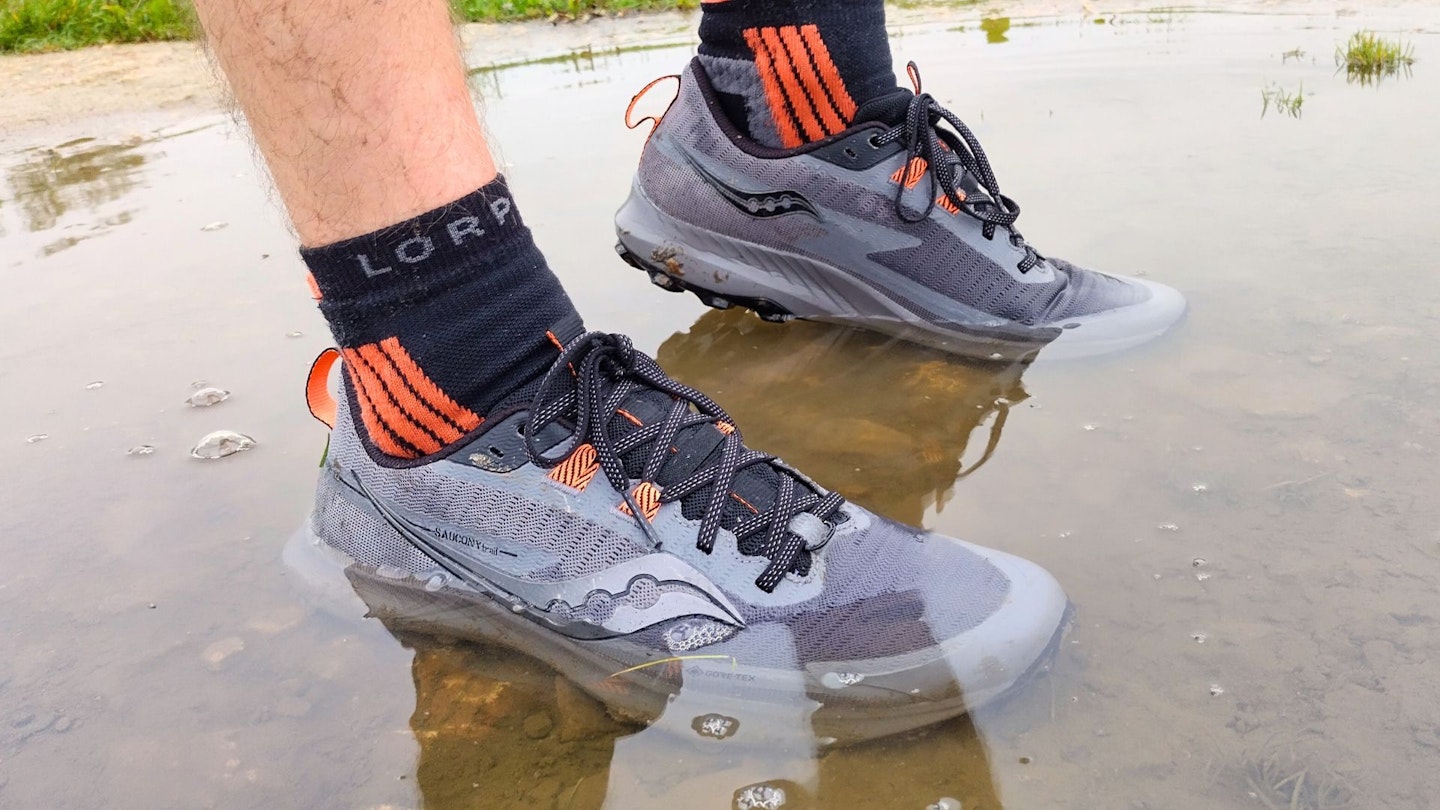
Credit: www.livefortheoutdoors.com
Frequently Asked Questions
Can Trail Running Shoes Get Wet?
Trail running shoes can get wet without damage. Many have water-resistant features, but some absorb water, affecting comfort and weight. Waterproof models protect feet but may reduce breathability. Choose shoes based on trail conditions and moisture exposure for the best performance.
What Is The Best Waterproof Trail Running Shoe?
The best waterproof trail running shoes combine durable Gore-Tex membranes, strong grip, and lightweight comfort. Top picks include Salomon Speedcross GTX and Brooks Cascadia GTX. These shoes keep feet dry, provide excellent traction on wet terrain, and offer lasting support for rugged trails.
Is It Okay To Wear Trail Running Shoes On The Road?
Yes, trail running shoes can be worn on roads for short distances or mixed surfaces. They wear faster and offer less cushioning on pavement. For regular road running, road shoes provide better comfort, durability, and shock absorption. Trail shoes excel on rough, uneven terrain with superior grip.
How To Tell If Shoes Are Waterproof?
Check for labels or tags stating “waterproof” or “water-resistant. ” Look for materials like Gore-Tex or sealed seams that block water. Test by sprinkling water; waterproof shoes repel moisture without soaking through.
Conclusion
Trail running shoes vary in waterproof capabilities. Some models keep feet dry in wet conditions. Others focus on breathability and quick drying instead. Choosing depends on your needs and trail type. Remember, waterproof shoes may reduce airflow and increase heat.
Non-waterproof shoes dry faster but let water in. Consider weather, terrain, and comfort before deciding. Proper socks also help manage moisture well. Trail running shoes protect feet but do not guarantee dryness always. Select wisely for your best trail experience.