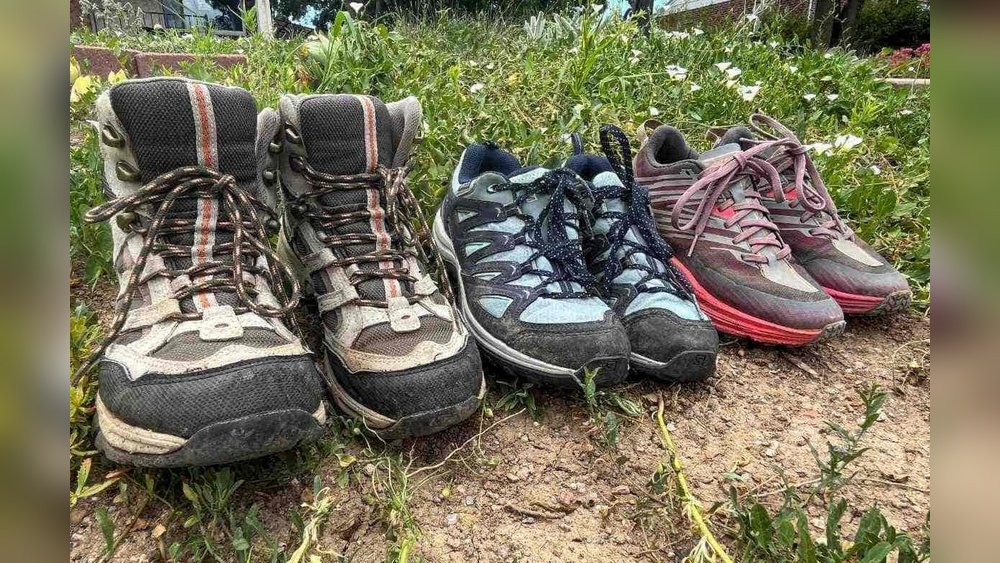
Are you wondering if your trail running shoes can double as hiking shoes? It’s a common question for anyone who loves spending time outdoors but wants to pack light or save money.
Trail running shoes are designed to be fast, lightweight, and breathable, while hiking shoes focus more on support, durability, and protection. But what does that mean for your comfort and safety on the trail? You’ll discover the key differences between trail running shoes and hiking shoes—and find out when it’s smart to wear trail runners for hiking and when you should opt for something sturdier.
Keep reading to make the best choice for your next adventure.
You May Like
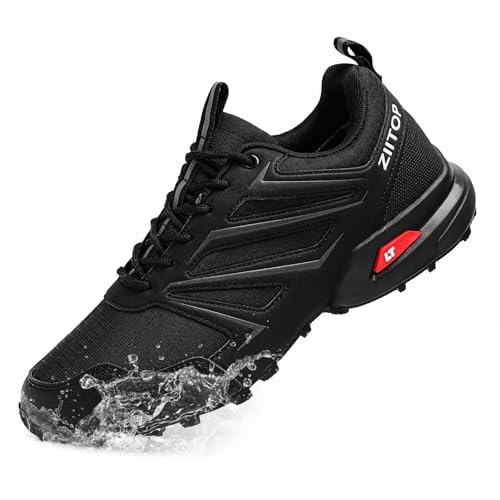
- 【Protective Upper】Breathable mesh is durable and quick-drying, while…
- 【Waterpoor Protection】Waterproof technology in the upper offers a light…
- 【Secure Fit】Cradles the foot from the midsole to the lacing system,…
- 【EVA Cushioning】Mens trail running shoes are designed to conquer any…

- Rugged outsole: Grippy lugs on the outsole are made with carbon rubber for…
- Versatile cushioning: A moderate stack VERSARUN cushioning packs plenty of…
- Durable protection: The trail-specific mesh with supportive overlays locks…
- Lighter footprint: This style contains recycled materials.

- Dual density Fresh Foam X midsole foam with approximately 3% bio-based…
- Toe Protect technology helps protect feet from rocks, roots and debris,…
- Vibram outsole provides superior grip, enhancing stability in outdoor shoes…
- Traction Lug technology provides superior grip in wet and dry terrain,…

- Dual density Fresh Foam X midsole foam with approximately 3% bio-based…
- Toe Protect technology helps protect feet from rocks, roots and debris,…
- Vibram outsole provides superior grip, enhancing the performance of women’s…
- Traction Lug technology provides superior grip in wet and dry terrain,…

- Wide Toe Box: To accommodate various foot shapes, these trail running shoes…
- Airy & Breathable: These wide-toe shoes for men are crafted with a Jacquard…
- Bouncy Support: These trail shoes for men feature an arch support insole…
- Slip-Resistant: The wear-resistant and grippy rubber outsole with 4mm lugs…
Trail Running Shoes Features
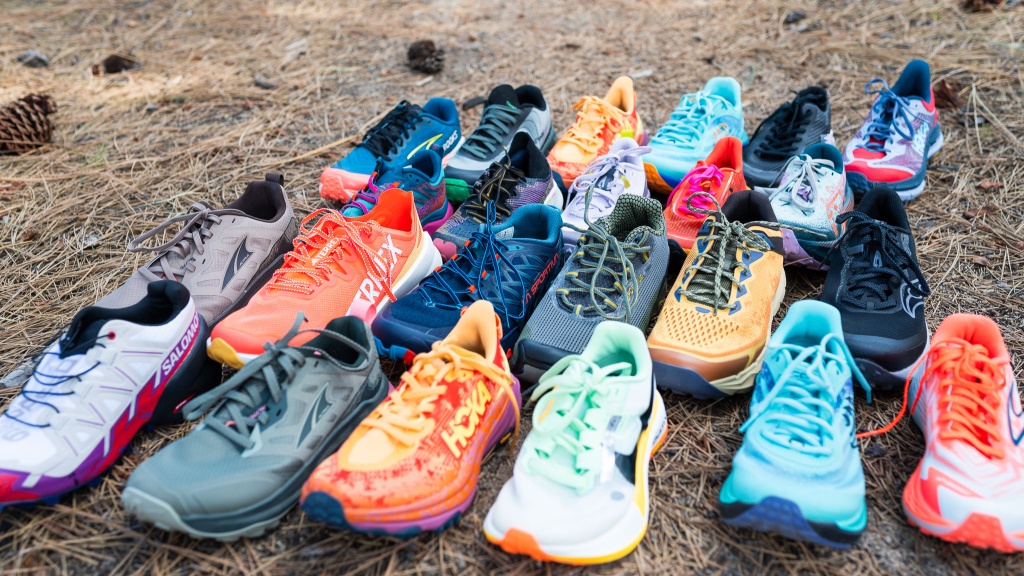
Trail running shoes have unique features designed to enhance performance on rough paths. They blend speed, comfort, and protection for active trail users. Understanding these features helps decide if these shoes suit hiking needs.
Each feature focuses on improving movement and comfort while managing natural trail challenges. These shoes aim to keep feet safe without adding extra weight or stiffness.
Lightweight And Flexible Design
Trail running shoes are built to be light and flexible. This design allows fast and easy foot movement on uneven surfaces. The flexibility helps the foot bend naturally. It reduces fatigue during long runs or hikes. Lightweight shoes also make it easier to cover more distance quickly.
Breathability And Quick Drying
These shoes often use mesh materials for breathability. This lets air flow freely to cool the feet. It also helps sweat evaporate fast. Quick drying is useful when crossing wet areas or after rain. Breathable shoes keep feet dry and comfortable, lowering the risk of blisters.
Ground Feel And Agility
Trail running shoes offer excellent ground feel. This means the sole is thin enough to sense terrain changes. It helps runners adjust their steps instantly. The sole’s grip supports quick turns and sudden stops. This agility improves balance on rocky or slippery trails.
Credit: www.outdoorgearlab.com
Hiking Shoes Features
Hiking shoes have special features designed for tough outdoor use. These features protect your feet and make walking on rough trails easier. Understanding these key features helps you see how hiking shoes differ from trail running shoes.
Durability And Protection
Hiking shoes use strong materials like leather and tough fabrics. These materials resist cuts, scrapes, and rough rocks. Many hiking shoes include reinforced toe caps to guard your toes from bumps. The soles are thick and firm to protect against sharp objects. Durability helps hiking shoes last longer on rough trails.
Support And Stability
Hiking shoes offer extra support to your feet and ankles. They have stiffer soles and firm midsoles to reduce foot fatigue. Higher collars on some models protect ankles from twisting. Good stability helps when walking on uneven or slippery surfaces. This support is important for carrying heavy backpacks safely.
Water Resistance And Weather Protection
Many hiking shoes have water-resistant or waterproof features. Special membranes like Gore-Tex keep feet dry in wet conditions. Weather protection also includes insulation for cold hikes and breathability for hot weather. These features keep feet comfortable and prevent blisters or cold injuries.
Trail Runners Vs Hiking Shoes
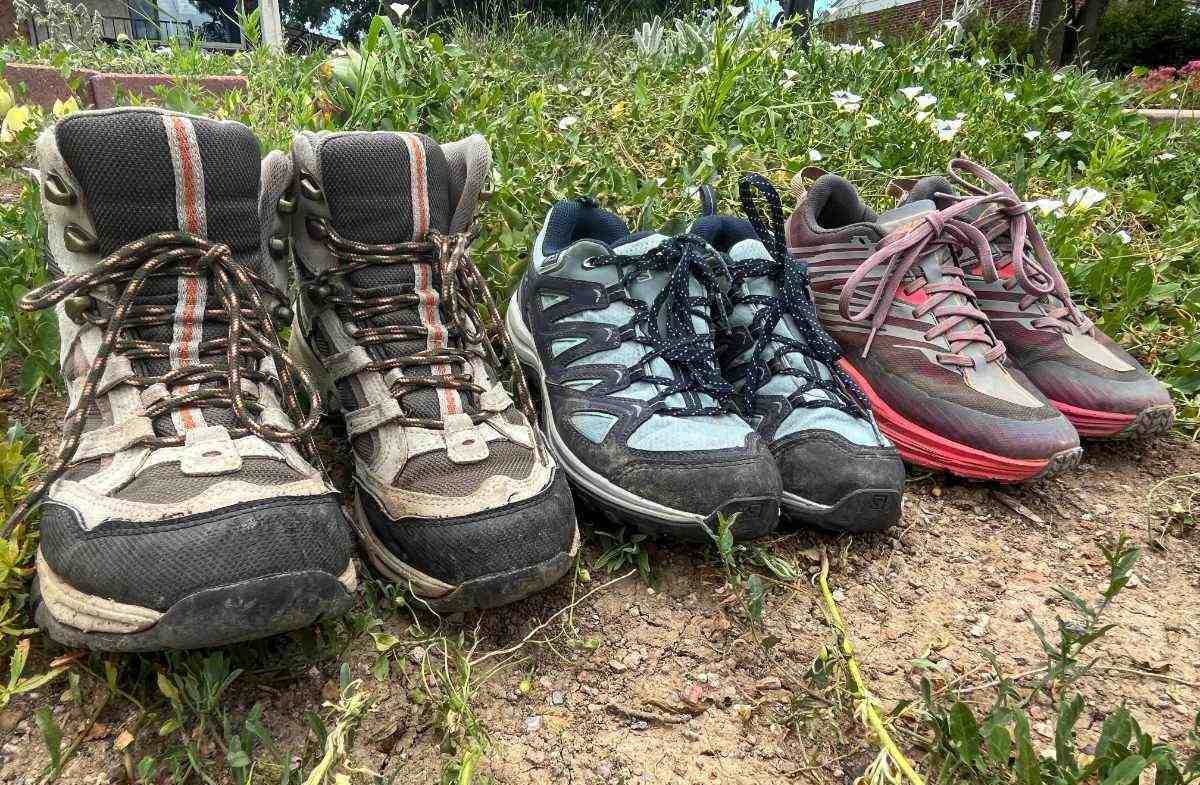
Choosing between trail running shoes and hiking shoes matters for your comfort and safety. Each shoe type suits different hiking styles and conditions. Trail runners offer speed and lightness for easier trails. Hiking shoes provide durability and protection for tough paths.
Weight And Agility Comparison
Trail runners weigh less than hiking shoes. This makes moving fast easier on gentle trails. Their design focuses on agility and quick steps. Hiking shoes are heavier, which can slow you down. The extra weight adds stability on rough terrain. For long or steep hikes, this weight helps balance and control.
Support And Ankle Protection
Hiking shoes give more support around the foot and ankle. They often have stiff midsoles and higher collars. This reduces the risk of twisting your ankle on uneven ground. Trail runners have low collars and flexible soles. They offer less ankle protection but allow more freedom of movement. Carrying a heavy pack favors hiking shoes for better support.
Sole Traction And Grip
The soles of hiking shoes are thick and rugged. They grip well on rocks, mud, and wet surfaces. Trail runners have softer, lighter soles with less aggressive tread. This works well on dry, packed trails but can slip on slick rocks. Hiking shoes shine on slippery or loose terrain thanks to their strong grip.
Breathability And Comfort
Trail runners use mesh materials to keep feet cool and dry. They dry quickly after crossing streams or rain. Hiking shoes are made with tougher leather or synthetic materials. This can reduce breathability but adds weather resistance. Trail runners feel lighter and more comfortable in hot weather. Hiking shoes protect better in cold or wet conditions.
Credit: www.treelinereview.com
Suitability For Different Terrains
Trail running shoes offer unique features that affect their performance on various terrains. Their design focuses on lightness and flexibility, which suits some paths better than others. Understanding how these shoes handle different ground types helps hikers choose the right footwear for their adventure.
Light To Moderate Trails
Trail running shoes excel on light and moderate trails. They provide excellent breathability and comfort. Their lightweight design reduces fatigue on easy paths. Flexible soles allow quick foot movements over gentle terrain. However, they offer limited protection against sharp rocks or roots.
Rough And Rocky Terrain
These shoes struggle on rough, rocky surfaces. The thin soles provide less cushioning and grip here. Minimal ankle support increases the risk of twisting an ankle. Trail runners lack the durability needed for constant abrasion. Hikers may find their feet tired and sore after tough terrain.
Long Hikes With Heavy Loads
Trail running shoes are not ideal for long hikes with heavy backpacks. Their lightweight build cannot support extra weight well. Lack of stiffness in the sole can lead to foot fatigue. The shoes may fail to protect feet from rough ground pressure. Sturdier hiking shoes serve better in these cases.
Pros And Cons Of Trail Running Shoes
Trail running shoes have gained popularity among hikers for their lightweight design and comfort. They offer a different experience compared to traditional hiking shoes. Understanding their pros and cons helps decide if they fit your hiking needs.
Advantages For Hiking
Trail running shoes are very light. This makes walking easier and less tiring. They have flexible soles that allow natural foot movement. Their breathable mesh keeps feet cool and dry. These shoes dry quickly after crossing streams or wet areas. They provide good grip on dirt paths and light rocky trails. No need to break them in; they feel comfortable from the start. Perfect for fast-paced hikes or day trips with light backpacks.
Limitations And Risks
Trail running shoes lack strong ankle support. This can increase the risk of twists on uneven ground. Their thin soles wear out faster on rough, rocky trails. They offer less protection from sharp rocks, roots, or thorns. Not the best choice for carrying heavy backpacks. They can soak up water easily, making feet cold and wet. Less durable than hiking boots, requiring replacement sooner. Not ideal for long hikes on tough terrain or bad weather.

Credit: www.treelinereview.com
Pros And Cons Of Hiking Shoes
Hiking shoes offer a mix of benefits and drawbacks for trail enthusiasts. Choosing the right footwear affects comfort and safety on the trail. Understanding the pros and cons helps make a smart choice for your adventures.
Benefits On Trails
Hiking shoes provide strong support for uneven ground. Their stiff soles protect feet from sharp rocks and roots. Durable materials resist wear and tear from rough terrain. Many hiking shoes include toe caps to shield against impacts. They offer better stability for carrying heavy backpacks. The extra ankle support reduces the risk of sprains. Hiking shoes often have soles designed for good grip on slippery surfaces. They can handle wet or muddy conditions better than lighter shoes. These features make hiking shoes ideal for long, tough trails.
Drawbacks To Consider
Hiking shoes tend to be heavier and less flexible. This weight can slow down fast-paced hikers. Stiffer soles reduce ground feel, which some runners dislike. They usually take time to break in and may cause blisters at first. Breathability is often lower, leading to sweaty feet in hot weather. Hiking shoes can be more expensive than trail running shoes. Some models feel bulky for casual walks or short hikes. They may not dry quickly after crossing streams or rain. For light, fast trail use, hiking shoes might feel too heavy or stiff.
Choosing Between Trail Runners And Hiking Shoes
Selecting the right footwear changes the hiking experience greatly. Trail runners and hiking shoes offer different benefits. Knowing which to choose depends on your needs and conditions. This guide breaks down key factors to help decide.
Assessing Your Hiking Style
Think about your usual hiking pace. Trail runners suit fast, agile movement on easy trails. They feel light and flexible on your feet. Hiking shoes work better for steady, slower hikes. They provide more support and protection. Choose based on how you like to hike.
Considering Terrain And Weather
Trail runners perform well on smooth, dry paths. Their soles grip well on mild terrain. Hiking shoes are tougher for rocky or muddy routes. They resist water and shield your feet from sharp objects. Pick shoes that match trail difficulty and weather conditions.
Load And Duration Factors
Carrying a heavy pack calls for sturdy hiking shoes. They give ankle support and prevent injuries. For light day hikes without much gear, trail runners suffice. Hiking longer means you need durability and comfort. Think about how long and what you carry.
When To Opt For Hiking Boots
Choosing between trail running shoes and hiking boots depends on your trip needs. Hiking boots offer more support and protection. They suit specific hiking conditions better than trail running shoes. Understanding when to pick hiking boots helps you stay safe and comfortable on trails.
Heavy Packs And Extended Trips
Hiking with a heavy pack requires strong footwear. Hiking boots have stiff soles that reduce foot fatigue. They provide stability on uneven ground. Boots help balance the weight of your pack. Extended trips mean long hours on rough trails. Boots protect your feet from sharp rocks and roots. They prevent injuries that can ruin your hike. Trail running shoes lack this level of support for heavy loads.
Maximum Support And Protection Needs
Some trails demand extra foot protection. Hiking boots cover your ankles to prevent twists. They have tough toe caps to guard against impacts. Boots resist water and mud better than trail runners. This keeps your feet dry and warm. Boots also offer better grip on slippery surfaces. For rough, rocky, or wet terrain, boots keep you safer. Trail running shoes do not provide enough protection in these conditions.
Frequently Asked Questions
Can A Trail Running Shoe Be Used For Hiking?
Trail running shoes work for light, fast hikes on moderate trails. They lack durability, ankle support, and protection needed for rugged, heavy-load hiking. Choose hiking shoes for stability, tougher terrain, and carrying heavy backpacks. Trail runners suit agility; hiking shoes provide better support and protection.
What Is The Difference Between Trail Running Shoes And Hiking Shoes?
Trail running shoes are lightweight, flexible, and breathable for speed on mild trails. Hiking shoes offer durability, sturdiness, and ankle support for rough terrain and heavy loads. Trail shoes prioritize agility; hiking shoes focus on protection and stability. Choose trail runners for light hikes, hiking shoes for rugged conditions.
What Shoes To Wear Hiking If You Don’t Have Hiking Shoes?
Wear sturdy trail running shoes, tennis shoes with good grip, or old sneakers with thick soles. Avoid sandals or flip-flops. Prioritize comfort, support, and traction to protect feet on rough terrain.
What Is Not Recommended For Hiking?
Avoid wearing trail running shoes on rough, rocky terrain due to limited support and protection. Do not hike without proper waterproof gear or heavy boots for tough trails. Avoid carrying excessive weight without sturdy boots. Do not ignore weather conditions or trail difficulty when choosing footwear.
Conclusion
Trail running shoes work well for short, light hikes on easy trails. They offer comfort, breathability, and quick drying. But they lack the support and protection needed for rough or long hikes. Hiking shoes handle heavy loads and rough terrain better.
Choose trail runners for speed and lightness. Pick hiking shoes for stability and durability. Match your shoe choice to your hike’s demands. That keeps your feet safe and your walk enjoyable.