Skip to content
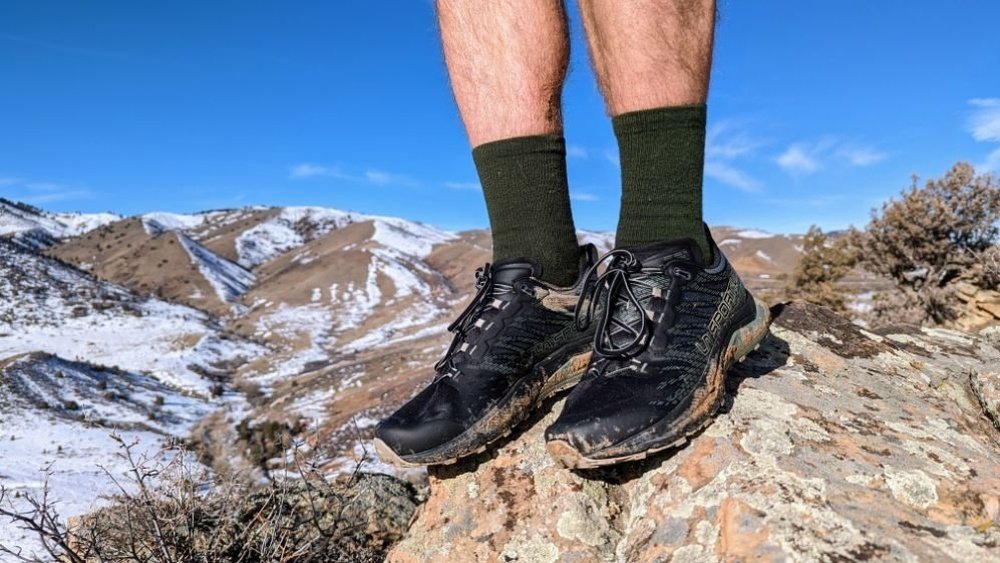
Are you wondering if trail running shoes are a good choice for your everyday walks? You’re not alone.
Many people who love hitting the trails for a run ask themselves if those same shoes can double as comfortable, reliable walking footwear. After all, trail running shoes are built tough and designed to handle rough terrain—but does that mean they’ll support your feet well during long walks on pavement or easy paths?
You’ll discover the key benefits and possible downsides of using trail running shoes for walking. By the end, you’ll know exactly what to look for to keep your feet happy and comfortable, whether you’re running or just taking a stroll. Keep reading to find out if your next pair of shoes should be trail runners or something different!
You May Like
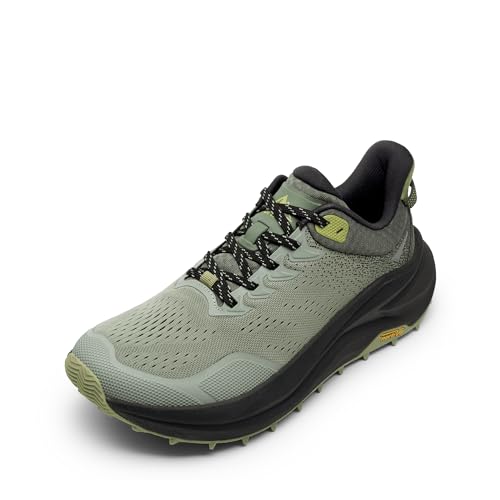
- Wide Toe Box: To accommodate various foot shapes, these trail running shoes…
- Airy & Breathable: These wide-toe shoes for men are crafted with a Jacquard…
- Bouncy Support: These trail shoes for men feature an arch support insole…
- Slip-Resistant: The wear-resistant and grippy rubber outsole with 4mm lugs…
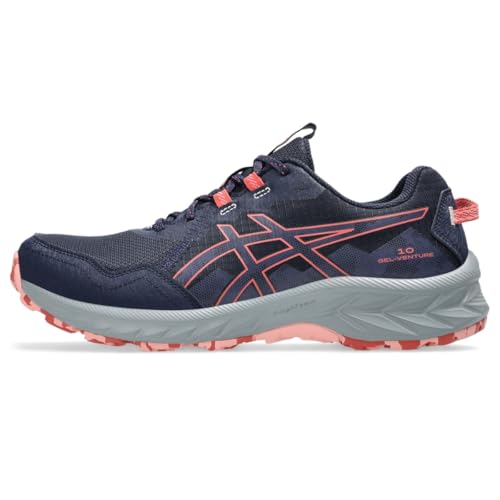
- Mesh upper: Improves breathability
- The sockliner is produced with the solution dyeing process that reduces…
- Rearfoot GEL technology: Improves impact absorption and creates a softer…
- AMPLIFOAM cushioning: Improves cushioning

- VERSARUN cushioning absorbs impact and reduces pressure for comfortable…
- The grippy outsole ensures solid footing when heading off road.

- AT Tread outsole provides versatile traction during both on and off-road…
- Synthetic upper
- Soft BIO Foam midsole for comfort underfoot
- Durable overlays and meshes for lasting wear

- Rugged outsole for off-road traction
- Versarun cushioning for comfort
- Trail-specific mesh with supportive overlays to lock your foot in place
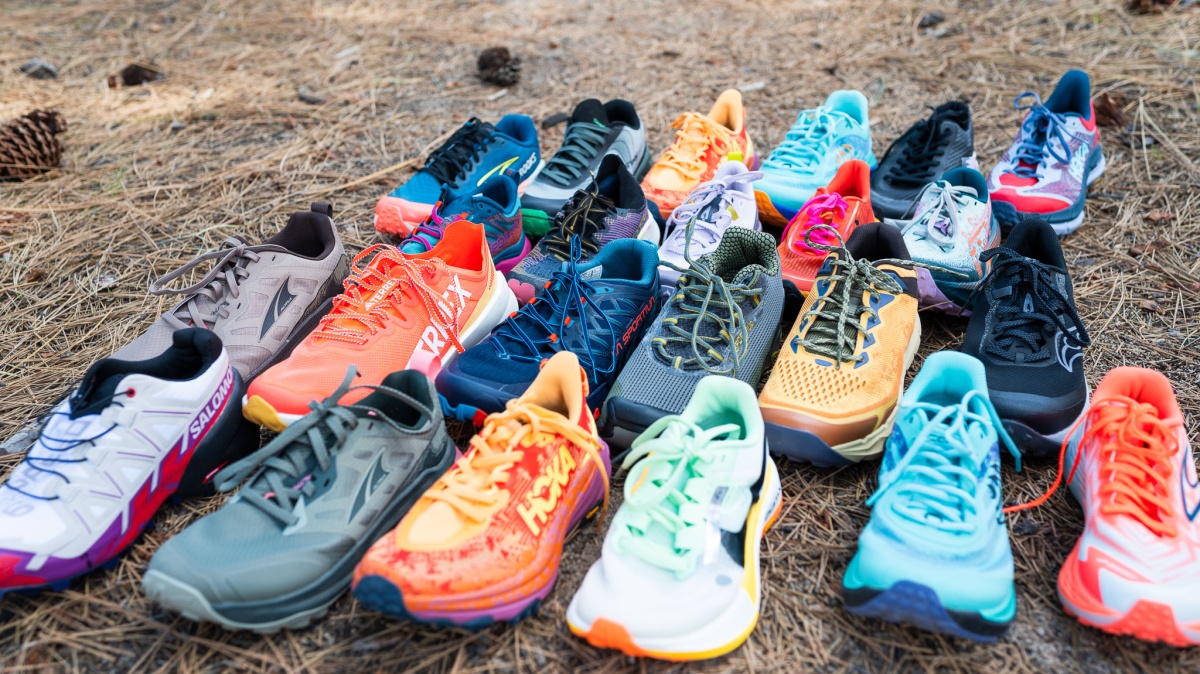
Credit: www.outdoorgearlab.com
Trail Running Shoes Basics
Trail running shoes are built for rough and uneven paths. They provide grip, support, and protection for outdoor runners. These shoes help runners stay steady on rocks, mud, and loose dirt. They also keep feet safe from sharp objects and wet conditions.
Though made for running, many people wonder if trail running shoes work well for walking. Understanding their main features helps decide if they suit daily walking needs.
Design Features
Trail running shoes have thick, rugged soles with deep treads. This design improves traction on slippery or uneven surfaces. The soles often use sticky rubber to prevent slipping on wet rocks or mud.
The upper part is usually made of tough, breathable materials. This keeps feet dry and shields against dirt and small debris. Many trail shoes include reinforced toe caps for extra protection.
They offer firm support around the heel and midfoot. This support stabilizes the foot during quick movements on tricky trails. Cushioning is also added to absorb shocks from running on hard ground.
Typical Use Cases
Trail running shoes suit trail running, hiking, and walking on natural paths. They excel on dirt, gravel, forest floors, and uneven trails. Many runners use them for long-distance trail races and ultramarathons.
These shoes also work well for backpackers who need light footwear with good grip. They are good for walking in parks or countryside where paths are rough but not extreme.
For flat, smooth surfaces like city sidewalks, trail shoes may feel heavier than regular walking shoes. Their sturdy build is best for outdoor adventures rather than everyday city walking.
Walking Vs Running Needs
Walking and running place different demands on your feet and body. Shoes designed for each activity reflect these unique needs. Understanding these differences helps you choose the right shoe for walking or running. Trail running shoes often promise versatility. Yet, their suitability for walking depends on how well they match walking needs.
Impact And Cushioning
Running creates higher impact forces than walking. Trail running shoes have extra cushioning to absorb these shocks. This cushioning protects joints during fast, repetitive strikes on hard or uneven surfaces.
Walking produces lower impact but lasts longer. Cushioning in trail running shoes may feel soft and supportive for walking. It helps reduce foot fatigue on long walks, especially on rough trails.
Too much cushioning can sometimes reduce stability for walkers. Some trail running shoes balance cushioning with firmness. This support aids comfortable walking over varied terrain.
Gait And Motion Differences
Running gait differs from walking gait in foot strike and motion. Runners often land on the midfoot or forefoot. Walkers usually strike with the heel first before rolling forward.
Trail running shoes are made for a running stride. Their shape supports forward propulsion and quick foot turnover. This design may feel less natural for steady, slower walking.
Walking requires more flexibility in the sole. Some trail running shoes offer this flexibility, allowing a smooth heel-to-toe motion. Others may be too stiff, causing discomfort during long walks.
Grip and traction in trail running shoes help on uneven ground. This is useful for walking on trails but may be less necessary for flat, paved paths.
Benefits For Walking
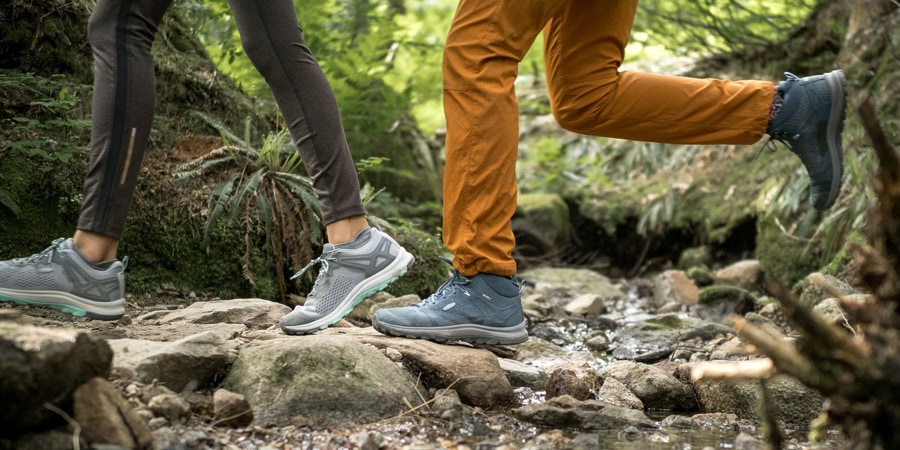
Trail running shoes offer several benefits for walking. Their design supports comfort and foot health. These shoes can improve your walking experience on different surfaces. Here are some key advantages of using trail running shoes for walking.
Shock Absorption
Trail running shoes have thick soles with extra cushioning. This helps reduce the impact on your feet and joints. Walking on hard surfaces becomes easier and less tiring. Good shock absorption protects your feet during long walks.
Lightweight Comfort
These shoes are made from light materials. They do not weigh your feet down. Lightweight shoes help you walk longer without fatigue. The breathable fabric keeps your feet cool and dry too.
Flexibility Advantages
Trail running shoes offer excellent flexibility. This allows your feet to move naturally. Flexible soles support a smooth and comfortable walking stride. It helps reduce strain on your muscles and joints.
Credit: www.rei.com
Potential Drawbacks
Trail running shoes offer unique features for rough terrains. Still, some drawbacks exist if you choose them for walking. These issues might affect comfort and shoe longevity. Understanding these concerns helps make a better choice for daily walking needs.
Durability Concerns
Trail running shoes are built for running, not constant walking. Walking can wear down the soles faster than running does. The aggressive tread meant for trails can break down unevenly on flat surfaces. This reduces the shoe’s life span. Frequent walking may cause the upper materials to stretch or tear sooner.
Propulsion Technology Issues
Many trail shoes have special plates or rockers to boost running speed. These features can feel stiff when walking at a normal pace. The propulsion may push your foot forward too quickly. This causes discomfort or awkward steps. Walking long distances in such shoes might lead to foot fatigue.
Support And Stability
Trail shoes focus on stability for uneven ground. This often means firmer midsoles and extra foot hold. For walking on smooth surfaces, this can feel too rigid. The added support may limit natural foot movement. Some walkers find it harder to relax their feet in these shoes. Over time, this can cause strain or soreness.
Comparing Trail Shoes To Hiking Boots
Trail running shoes and hiking boots serve different purposes but often overlap in outdoor use. Understanding their differences helps in choosing the right footwear for walking on various paths. Trail shoes are lighter and more flexible. Hiking boots offer more support and protection. This section compares these two types to guide your walking experience.
Longevity On Trails
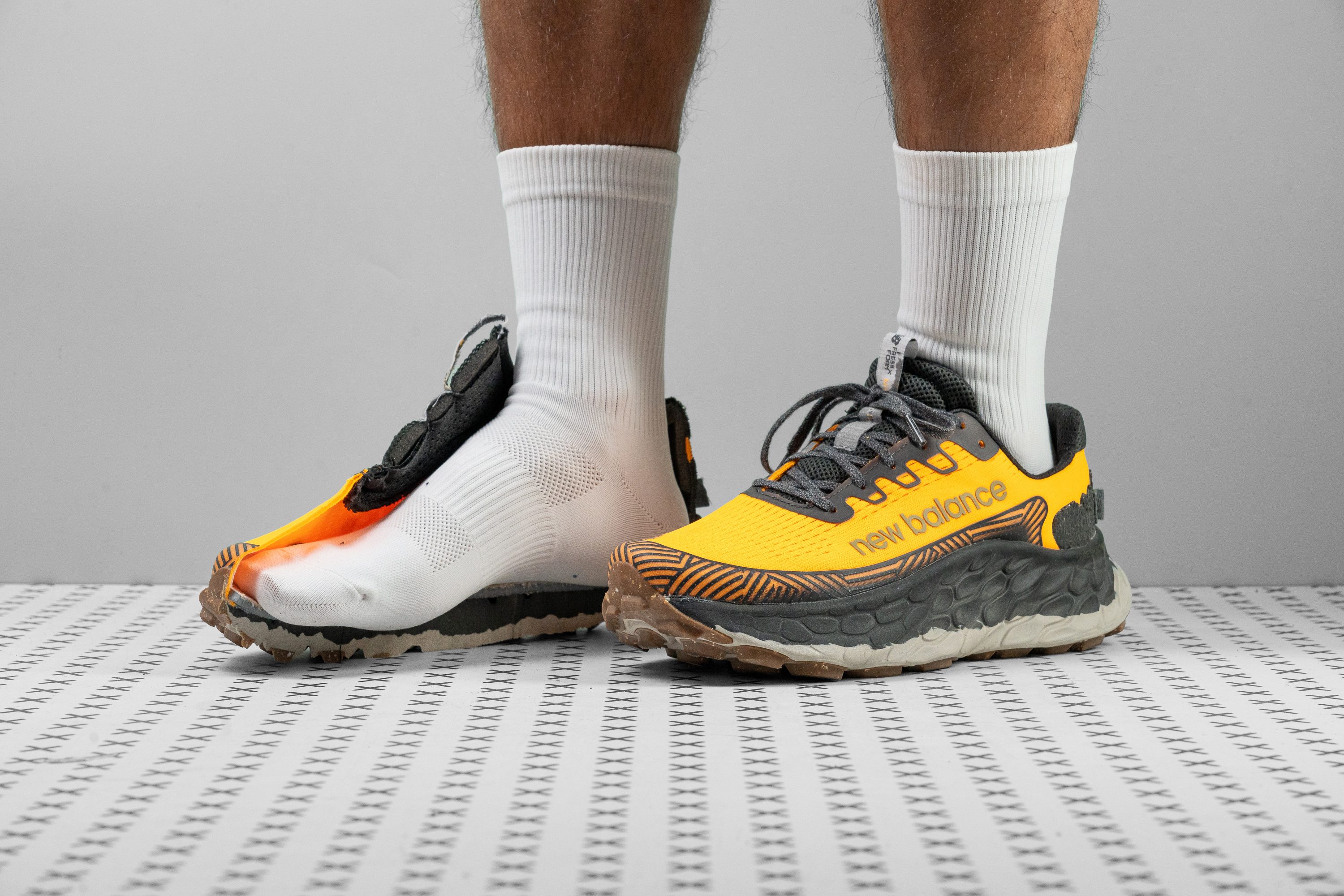
Hiking boots usually last longer on rough trails. They have thicker soles and stronger materials. This design protects against sharp rocks and uneven ground. Trail running shoes wear faster because of their lighter build. They handle mild trails well but may degrade on tough terrain. Choosing boots increases durability for long walks in rugged areas.
Suitability For Different Terrains
Trail running shoes excel on soft, even surfaces. Their grip works well on dirt and light rocks. Hiking boots perform better on steep or slippery paths. They provide ankle support to prevent injuries. Boots also shield feet from mud and water. Trail shoes suit quick, easy hikes. Boots fit longer or harder walks with rough terrain.
Credit: runrepeat.com
Choosing The Right Shoe For Walking
Choosing the right shoe for walking is important for comfort and foot health. Not all shoes suit every walking style or surface. Trail running shoes have features that might work well for walking, but selecting the right pair matters. Consider cushioning, fit, and design before deciding.
Cushioning And Comfort
Cushioning helps absorb shock with every step. Trail running shoes often have thicker soles to protect feet on rough paths. This can make walking on hard surfaces easier and less tiring. Comfort depends on padding inside the shoe and sole flexibility. Look for shoes with enough padding to support your feet all day.
Avoiding Race-day Models
Race-day trail shoes focus on lightness and speed. They have minimal cushioning and stiff soles. These shoes may cause discomfort during long walks. Choose models designed for training or casual use. They offer better support and durability for everyday walking activities.
Personal Fit Considerations
Everyone’s feet are different. Proper fit prevents blisters and foot pain. Try shoes on with the socks you plan to wear. Check for enough toe room and secure heel fit. Walk around to test comfort and support. Consider foot shape and any special needs like arch support or wide widths.
User Experiences And Expert Opinions
Understanding user experiences and expert opinions helps clarify if trail running shoes suit walking needs. Real users share insights on comfort, durability, and support. Experts add professional views on foot health and shoe design. Together, these perspectives guide better shoe choices for walking activities.
Trail Runners Who Walk
Many trail runners use their shoes for walking. They report great cushioning and grip on different surfaces. The shoes handle both rocky trails and smooth paths well. Some say the soles provide extra stability during long walks. Others note the shoes stay comfortable for hours. Trail runners appreciate the lightweight feel for everyday walking too.
Podiatrist Insights
Podiatrists say trail running shoes often support foot health during walking. They highlight good shock absorption and arch support. These features reduce foot fatigue and pain over time. Experts warn against very stiff or heavy shoes for casual walking. They recommend shoes with flexibility and cushioning to protect joints. Proper fit and foot type remain key to shoe choice.
Brand Recommendations
Top brands offer trail running shoes suitable for walking. Salomon, Altra, and Brooks are popular picks. Salomon shoes provide excellent traction and comfort. Altra models focus on wide toe boxes and natural foot movement. Brooks shoes combine cushioning with lightweight design. Choosing shoes from these brands often results in better walking comfort and durability.
Frequently Asked Questions
Are Trail Shoes Good For Everyday Walking?
Trail shoes suit everyday walking, especially on mild trails, offering good cushioning and grip. They may wear faster than hiking boots. Choose flexible, well-cushioned models for comfort and durability during daily walks.
Can You Wear Trail Shoes As Walking Shoes?
Yes, you can wear trail shoes as walking shoes. They provide good cushioning and grip, especially on uneven terrain. Trail shoes support comfort on mild trails but may wear faster than dedicated walking shoes. Choose flexible, well-cushioned models for the best walking experience.
Are Running Shoes Good For Everyday Walking?
Running shoes provide excellent cushioning and shock absorption, making them good for everyday walking. Choose flexible, well-cushioned models. Avoid stiff, carbon-plated running shoes, as they may hinder natural walking. Running shoes may wear faster with exclusive walking use but generally support comfort and foot protection well.
What Is The Difference Between Walking Shoes And Trail Shoes?
Walking shoes focus on comfort and support for flat surfaces. Trail shoes offer rugged soles and extra grip for uneven, rough terrain.
Conclusion
Trail running shoes can work well for walking on many surfaces. They offer good cushioning and reduce foot fatigue. Their lightweight design helps keep you comfortable all day. These shoes also bend easily, allowing natural foot movement. Some models with stiff plates may feel less natural when walking.
Durability might decrease if you walk a lot on hard ground. Overall, trail running shoes provide solid support and comfort for casual walking. Choose a pair that fits well and suits your walking style.