Skip to content
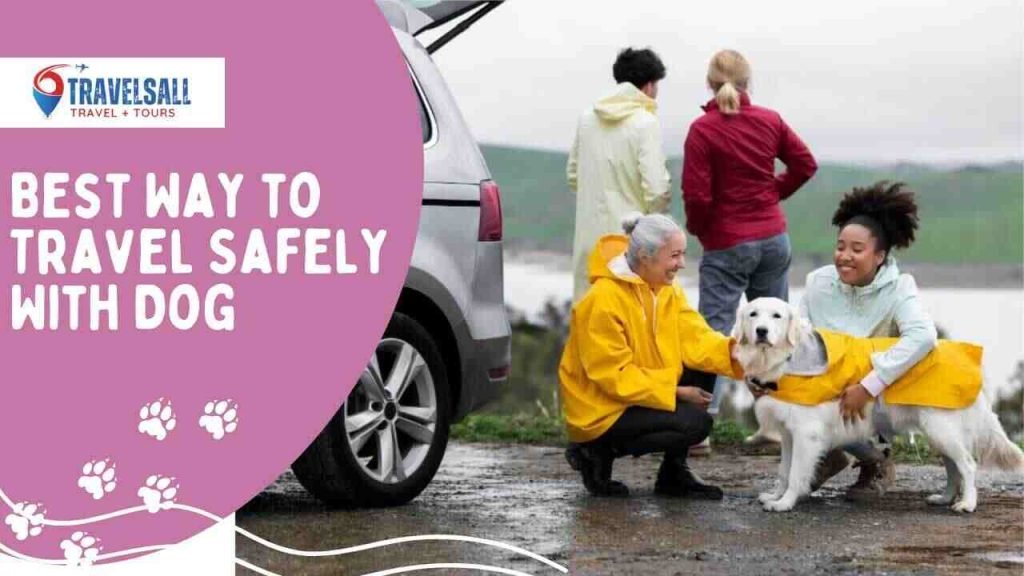
The Best Way to Travel Safely With Dog is by using a crash-tested crate or harness within your vehicle. Ensure your pet’s comfort and safety by preparing a pet-friendly travel kit.
Traveling with your dog can be a wonderful experience if proper precautions are taken. It’s essential to choose a secure and comfortable mode of transport for your furry friend.
Make sure your furry friend has a cozy spot, like a good pet carrier, for a happy trip. Never leave them alone in a car, especially when it’s hot or cold outside.
A travel kit that includes water, food, bowls, waste bags, and familiar toys will help keep your dog at ease. Regular stops are also crucial for their well-being—these allow for exercise and bathroom breaks.
Make sure your furry friend has a tag with their name on it and has had all their shots. This keeps them safe and makes traveling together easy.
Safe Canine Traveling Essentials
Traveling with your furry friend requires planning and the right gear. Safety and comfort are top priorities when on the road with your dog.
Equip yourself with essentials to ensure a worry-free journey for both you and your pup.
Dog-friendly Travel Kits
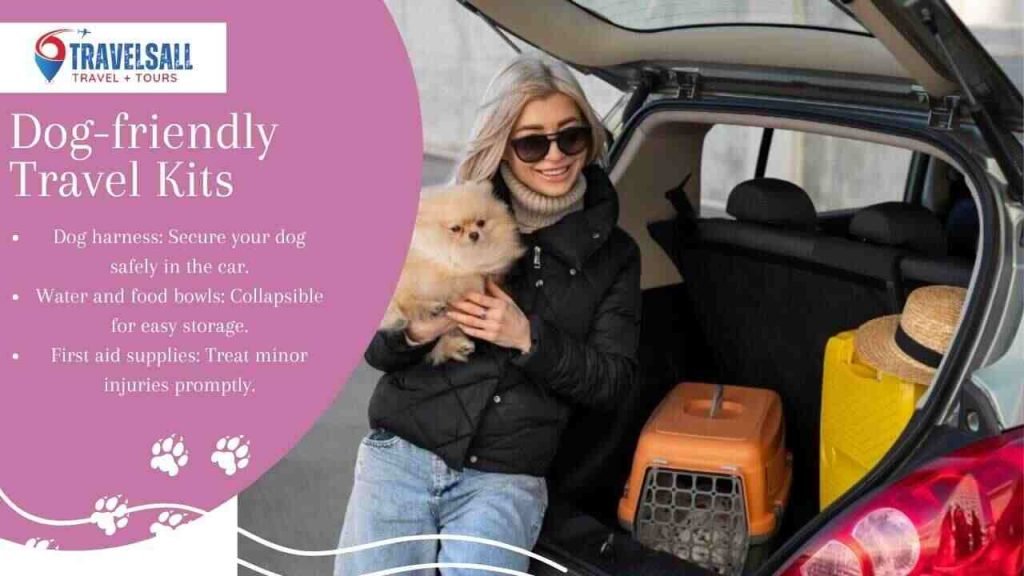
Be ready for any adventure with a dog-friendly travel kit. This kit should include:
- Dog harness: Secure your dog safely in the car.
- Water and food bowls: Collapsible for easy storage.
- First aid supplies: Treat minor injuries promptly.
- Waste bags: Keep environments clean.
- Comfort items: Favorite toy or blanket for security.
Identification And Health Documents
Ensure your dog is easily identifiable and healthy for the trip. Essential documents and items include:
| Item | Description |
|---|---|
| ID tags | Updated tags on your dog’s collar. |
| Microchip | Have a registered microchip for your dog. |
| Vaccination records | Proof of up-to-date shots for boarding or emergencies. |
| Medical history | Current health records for vet visits away from home. |
| Travel certificate | Obtain a health certificate if traveling across state lines. |
Choosing The Right Transport
Every dog owner knows that planning a trip with your furry friend requires extra thought. Choosing the right transport is key to a safe and enjoyable journey.
Whether hitting the road, flying the skies, or navigating the public transport system. It’s vital to weigh the options and pick a travel method that suits both you and your pet.
Pros And Cons Of Road Tripping
Road trips can be fun adventures for you and your dog. Traveling by car gives you control over stops and breaks. You can set your own pace and make the journey comfortable for your dog.
| Pros | Cons |
|---|---|
| Flexible schedule Rest stops on demand Familiar environment | Long travel times Restroom challenges Varying pet policies at hotels |
Navigating Air Travel
Flying with a dog often gets you to your destination faster. However, it requires careful planning. Each airline has specific rules. Be sure to check these before booking.
- Book direct flights to avoid extra stress from layovers.
- Verify the airline’s pet policy for kennel sizes and fees.
- Ensure your dog is comfortable with their travel carrier in advance.
Public Transportation Guidelines
In some cities, dogs can join you on trains or buses. Rules vary greatly between locations. Always check local policies before traveling.
- Look up pet rules for buses, trains, and subways in the area.
- Plan for off-peak hours to avoid crowds.
- Keep your dog on a leash or in a carrier, as required.
Travel Carrier And Restraint Options
When starting on an adventure with your furry friend, safety is key. Travel carrier and restraint options provide peace of mind and protection for your dog.
They ensure a smooth, stress-free experience on the road. Choose the right gear and prepare for a safe journey with your canine companion.
Crates For Security
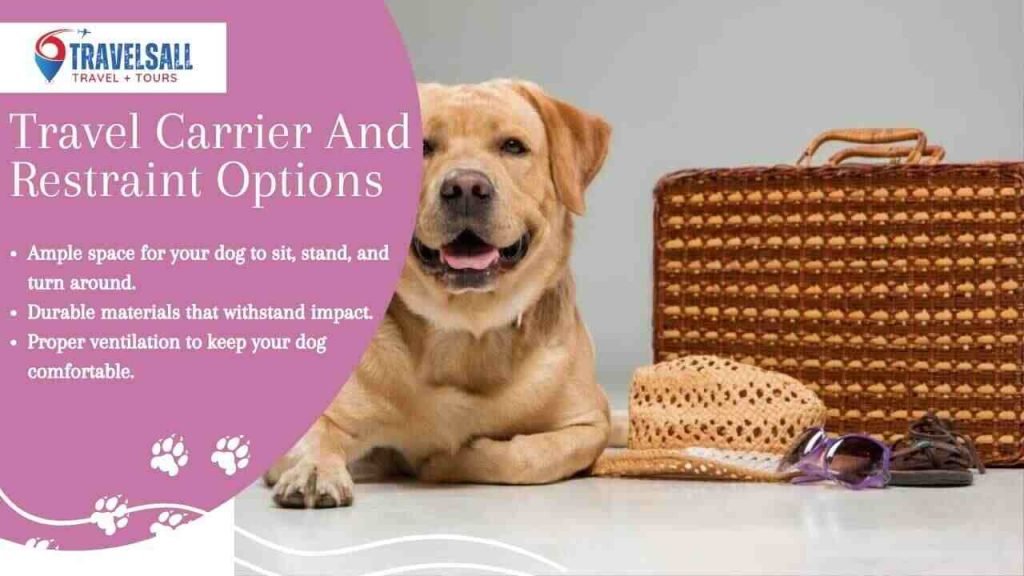
Crates are a top choice for dog safety during travel. They create a cozy and secure space. Look for crates that have:
- Ample space for your dog to sit, stand, and turn around.
- Durable materials that withstand impact.
- Proper ventilation to keep your dog comfortable.
Anchor the crate for added security. This will prevent movement during the trip.
Harnesses And Seat Belts
Harnesses and seat belts offer flexibility and protection in cars. Important features include:
- Adjustable straps to fit your dog’s size.
- Padded chest plates for comfort during sudden stops.
- Compatibility with car seat belt systems.
Choose a crash-tested model to ensure maximum safety.
Barrier Systems For Suvs And Vans
Barrier systems prevent your dog from moving between vehicle areas. They are ideal for:
- Larger vehicles with ample space.
- Multi-dog families traveling together.
- Long trips where movement might be tempting.
Install barriers securely to protect both you and your dog.
Training Your Dog For Travel
Training your dog for travel ensures a smooth journey for both you and your furry friend. It’s essential to prepare your dog for the different experiences they might encounter.
Therefore, specific training methodologies come into play.
Desensitization techniques and behavior management strategies are invaluable to ensure your dog’s comfort and safety on the go.
Desensitization Techniques
Desensitization is crucial for a travel-ready pet.
- Introduce the carrier early: Let your dog explore their travel carrier at home.
- Short trips: Begin with quick drives to build your dog’s car travel tolerance.
- Comfort items: Include familiar blankets or toys to create a calming environment.
These steps help your dog associate travel with positive experiences. Calm, confident dogs make for better travel companions. Gradually increase travel durations to allow your dog to adjust with comfort.
Behavior Management On-the-go
Once on the road, behavior management is pivotal.
- Consistent commands: Use familiar commands to manage behavior in new settings.
- Routine breaks: Stop regularly for exercise and bathroom breaks.
- Reward good behavior: Treats can reinforce calm conduct during travel.
By maintaining routines and predictable interactions, dogs remain at ease. Your pet’s good behavior ensures a pleasant trip for everyone involved.
Packing A Dog-friendly Suitcase
Preparing for a trip with your furry friend means packing a suitcase that caters to their needs.
Ensuring you have the right items will help your dog feel comfortable and safe while traveling.
Let’s explore the essentials that should find a place in your pup’s travel bag.
Essential Items For Your Pup
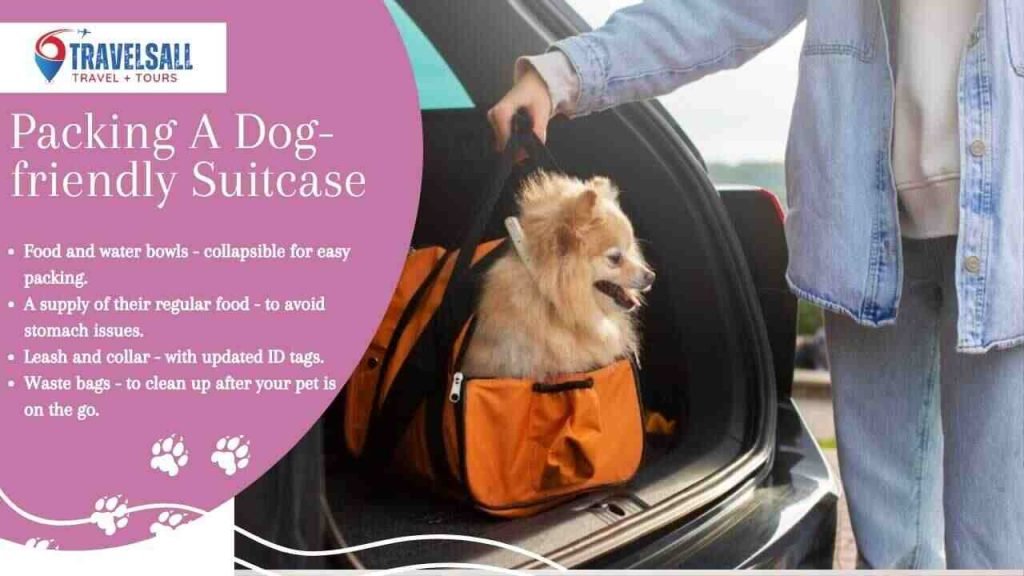
Health and safety come first when traveling with your dog. Start with the basics:
- Food and water bowls – collapsible for easy packing.
- A supply of their regular food – to avoid stomach issues.
- Leash and collar – with updated ID tags.
- Waste bags – to clean up after your pet is on the go.
- First-aid kit – for any emergencies.
- Medication – if your dog takes any.
- Vaccination records – important for some accommodations and activities.
Toys And Comfort Objects
Keep stress levels low with items that smell like home and evoke familiarity:
- Favorite toy – for a sense of security and fun.
- Chew treats – to keep them occupied during long journeys.
- Comfortable bed or blanket – for restful sleep in new environments.
Remembering the comforts of home will ensure your dog stays content and calm.
Dealing With Dog Anxiety And Motion Sickness
Traveling with dogs can be an adventure. Yet, some dogs tremble at the very thought of a car ride.
Dog anxiety and motion sickness can ruin a trip. It affects your dog’s comfort and health.
Feeling overwhelmed can turn car rides into a dreaded experience for them.
Calming Strategies
Creating a comfortable environment is key. Start with short rides around the block.
Increase duration gradually. It helps your dog get used to the motion of the car.
Bring their favorite toy or blanket. It adds a sense of familiarity.
Car safety harnesses or crates also ensure security and reduce anxiety.
- Practice relaxation techniques.
- Supply chew toys to distract.
- Play soothing music.
- Remain calm to show that there’s nothing to worry about.
Medications And Natural Remedies
Consult a vet before choosing a treatment path.
They might recommend medication for severe cases of motion sickness.
Anti-anxiety drugs or sedatives can be effective.
Natural remedies offer a gentler approach.
Ginger treats stomach upset and nausea. It’s safe for dogs in moderation.
Consider supplements with calming ingredients like chamomile or valerian root.
Always check dosage and safety for dogs before administering.
| Natural Remedy | Benefits | Recommended Dosage |
|---|---|---|
| Ginger | Reduces nausea | Small slice or pinch of powder |
| Chamomile | Calms the nervous system | 1-4 ml per pound of body weight |
| Valerian Root | Decreases anxiety | Consult vet for the correct dosage |
Finding Pet-friendly Destinations
Traveling with a four-legged friend can transform an ordinary trip into an extraordinary adventure.
But before you can enjoy the journey, you need to find pet-friendly destinations.
This means looking for places where both you and your dog can feel welcomed and have fun.
From accommodations that cater to canines to activities that are perfect for your pup, planning is crucial. This guide will help steer you towards the best dog-friendly spots!
Accommodation Tips
- Search for pet-friendly hotels: Use travel websites that specialize in pet travel.
- Read Reviews: Look for reviews from other pet owners.
- Check for extra fees: Some places charge for pets.
- Understand pet policies: Each place has its own rules.
- Consider space: Your dog needs enough room to be comfortable.
Activities To Include Your Dog
- Go for a hike: Explore trails that allow dogs.
- Visit a dog park: Find local parks for off-leash fun.
- Enjoy a pet-friendly beach: Some beaches welcome dogs.
- Attend a dog event: Look for events like dog festivals.
- Dine together: Eat at restaurants with dog menus.
Health And Safety Precautions
Traveling with your dog can be a rewarding experience. Yet, it’s crucial to prioritize health and safety.
Proper preparations can ensure a smooth trip for you and your furry friend. Follow these guidelines to keep your pet happy and healthy on the road.
Up-to-date Vaccinations
Ensuring your dog’s vaccinations are current is vital for safe travel. Check with your vet well in advance. Here’s a simple guide:
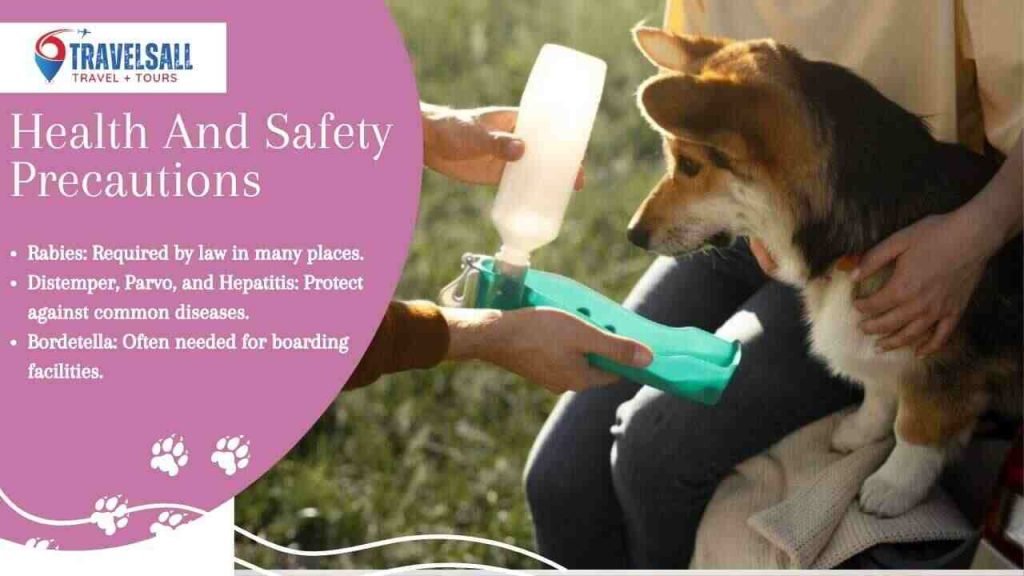
- Rabies: Required by law in many places.
- Distemper, Parvo, and Hepatitis: Protect against common diseases.
- Bordetella: Often needed for boarding facilities.
Certificates proving vaccination may be required. Keep these papers on hand during your travels. They’re your dog’s passport to a safe journey.
First-aid For Dogs
A dedicated dog first-aid kit is essential for handling unexpected situations. Stock it with:
- Bandages and antiseptics for wounds.
- Tick removal tools.
- Contact information for emergency vets.
Understand the basics of pet first-aid. Be prepared to act quickly if your dog gets hurt.
Understanding Local Risks
Each travel destination may have unique health risks for your dog. Research ahead of time. Find out about:
| Local Risks | Precautions |
|---|---|
| Parasites | Bring flea and tick prevention. |
| Extreme weather | Ensure suitable gear and hydration. |
| Natural hazards | Know the safe zones and local wildlife. |
Talk to locals or other pet owners about potential dangers. Keep your dog safe in new environments.
Returning Home: Post-travel Dog Care
After an adventure-filled journey with your furry friend, returning home brings its own set of considerations.
Post-travel dog care is crucial to ensure your pet settles back into their routine healthily and happily.
Strategic rest periods, health check-ups, and a return to normalcy help your dog recover from the excitement and exhaustion of travel.
Recovery Time
Time to rest is vital for your dog after a trip. Dogs require a peaceful environment to recuperate.
Allow them to sleep longer than usual if needed. Consistency in their routine is also key. Resuming regular feedings, walks, and playtime will help your dog adjust quickly.
Post-travel Health Check
Veterinary visits after a trip can ensure your dog remains healthy. Look for any signs of stress or illness.
These can include changes in appetite or behavior. Schedule a check-up within a few days of returning home to catch any potential issues early.
- Check for parasites: Ticks and fleas can latch on during travel.
- Update vaccinations: Especially if your travels take you abroad.
- Monitor hydration and nutrition: Ensure your dog’s diet is back on track.
Frequently Asked Questions Of Best Way To Travel Safely With Dog
What Is The Safest Way To Travel In A Car With A Dog?
To ensure safe car travel with a dog, use a crash-tested crate or harness. Keep the dog restraint system in the back seat to protect them from airbags. Never allow the dog to ride with their head out the window, and never leave them alone in a parked car.
What Is The Best Way To Travel Long Distance With A Dog?
For long-distance travel with a dog, ensure you have a comfortable crate, frequent breaks for exercise, water and food, familiar toys, and updated identification tags. Always check pet policies ahead of time.
What Is The Safest Way To Transport A Pet?
The safest way to transport a pet involves using a secure, well-ventilated carrier. Always update your pet’s identification before traveling. Keep a consistent temperature in the vehicle and take regular breaks for exercise. Avoid leaving your pet alone in a parked car.
How Can I Travel With My Pet Without Complications?
To travel with your pet smoothly, ensure vaccinations are up-to-date and obtain a health certificate. Book pet-friendly accommodations in advance. Pack essentials like food, bowls, and a leash. Familiarize your pet with a travel carrier before the trip. Always check airline or transport pet policies.
Conclusion
Starting on an adventure with your canine companion can be a joyous experience. Ensure their safety and comfort with proper planning and the right gear.
Remember, a well-prepared trip with your dog not only secures their welfare but also enhances the bond you share.
Happy travels to you and your furry friend!