Skip to content
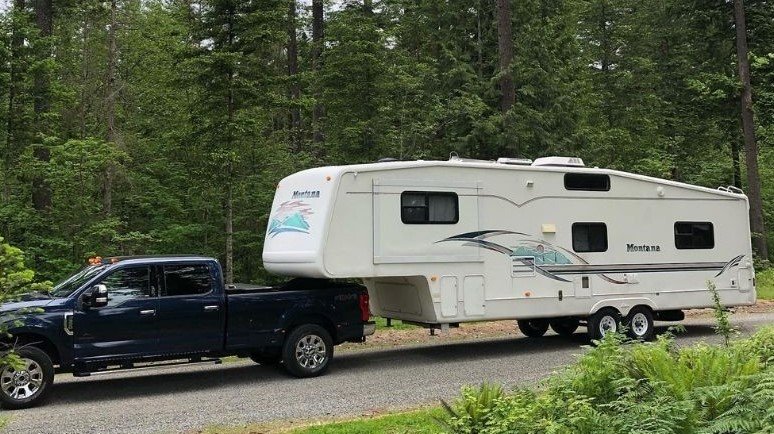
Using cruise control while towing a travel trailer is generally not recommended as it can reduce vehicle control and response times. It’s important to maintain full command of your vehicle under towing conditions.
When you pull a travel trailer with your car, you need to be careful and in control. Using cruise control might make it harder to pay good attention. You must decide when to speed up or slow down, based on how the road is.
If you use cruise control, it might hide the extra work your car has to do when towing, and that could cause problems with the engine and transmission. So, it’s better to be in charge of the speed yourself!
Keeping things safe is super important when you’re pulling extra stuff. If you can control how fast you’re going by hand.
It helps your car not get too tired and makes sure you can react to traffic and different kinds of ground. Learning the details of pulling things will make your trip way safer and more fun. Now let’s describe “Should You Use Cruise Control When Towing a Travel Trailer?”
Cruise Control Basics
Cruise control is a popular tool among travelers. Understanding its features helps with towing decisions. Let’s dive into what it is and how it works.
What Is Cruise Control?
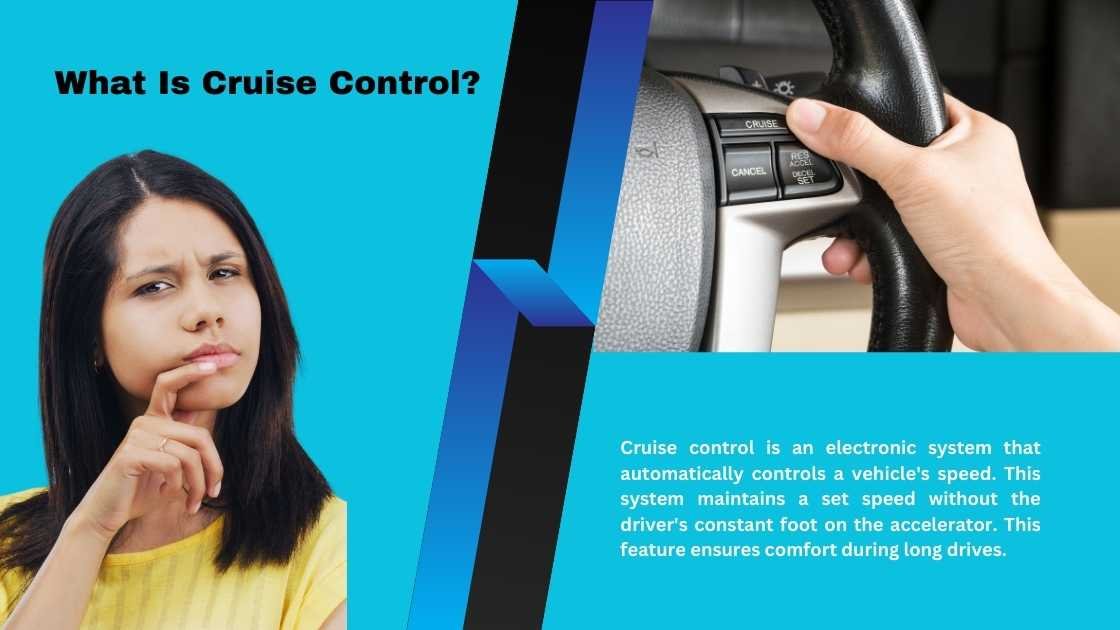
Cruise control is an electronic system that automatically controls a vehicle’s speed. This system maintains a set speed without the driver’s constant foot on the accelerator. This feature ensures comfort during long drives.
How Does Cruise Control Function?
Cruise control works through a network of sensors and electronic controls. Here’s a simple breakdown:
- Speed sensors monitor vehicle speed in real time.
- The system engages the throttle to maintain the set speed.
- Drivers can adjust the speed with buttons on the steering wheel or dashboard.
- A brake or clutch disengage will deactivate the system for safety.
Towing a travel trailer adds weight and impacts vehicle dynamics. It’s crucial to understand whether cruise control can handle such tasks.
Towing A Travel Trailer
Key Considerations For Towing
When preparing to tow, a few critical aspects demand attention:
- Weight capacity: Know your vehicle’s towing limit.
- Hitch type: Choose a hitch that suits your trailer’s weight.
- Brake controllers: Ensure your trailer brakes are synchronized with your vehicle.
- Tow bars and safety chains: Double-check connections before departure.
- Tyre pressure: Correct tyre pressure prevents blowouts during towing.
Impact On Vehicle Dynamics
Adding a travel trailer changes vehicle behavior:
| Aspect | Impact |
|---|---|
| Acceleration | Slower with increased weight. |
| Braking | Longer stopping distance. |
| Steering | Less responsive due to added length. |
| Fuel efficiency | Decreases with extra load. |
The Case For Using Cruise Control
Ease Of Long-distance Travel
- Less pedal work: Keeps your feet free, reducing cramps and discomfort.
- Stress reduction: Less focus on maintaining speed helps concentrate on the road.
- Frequent breaks: Enables short pauses for better circulation without stopping.
Maintaining Consistent Speed
| Benefit | Description |
|---|---|
| Engine Health | Consistent RPMs can lead to less mechanical strain and potential longevity. |
| Fuel Economy | Eliminates fuel-wasting acceleration cycles with one steady speed. |
| Safety | Keeps you under speed limits and helps avoid speeding violations. |
Potential Risks And Concerns
Handling And Control Issues
Using cruise control with a travel trailer in tow can present handling challenges:
- Delayed reactions: Automatic speed adjustments hinder quick manual responses.
- Limited terrain adaptability: Cruise control might not adjust promptly on steep or winding roads.
- Weather factors: Slippery conditions require careful speed management, beyond cruise control capabilities.
Drivers must maintain full control, especially when the trailer’s behavior can be unpredictable.
Increased Wear On Vehicle Components
Towing a trailer puts additional strain on your vehicle. When cruise control is in use, this strain can lead to increased wear:
| Component | Impact of Cruise Control |
|---|---|
| Transmission | Constant speed may cause overheating. |
| Brakes | Frequent braking can wear pads and discs quickly. |
| Engine | High demand can lead to increased engine wear. |
Monitoring these factors can help prevent premature vehicle wear.
The Vehicle’s Towing Capacity
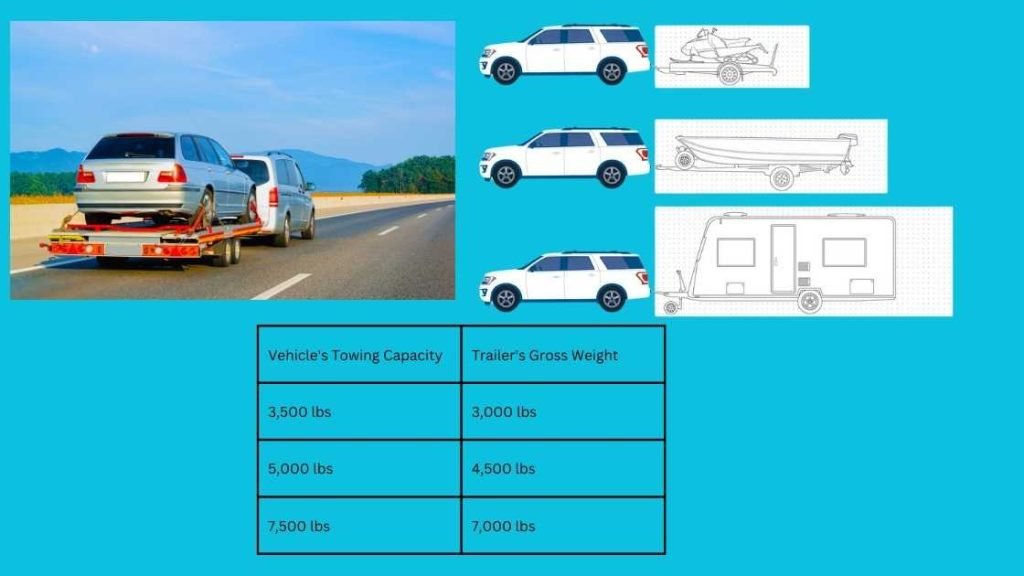
Embarking on a journey with a travel trailer necessitates a grasp of your vehicle’s towing capacity.
Towing more than your vehicle can handle may lead to dangerous road situations and strain your vehicle.
Knowing the limits ensures a safe and enjoyable trip.
Importance Of Vehicle Specifications
Your vehicle’s owner manual holds the key to safe towing. It lists critical specs like:
- Gross Vehicle Weight Rating (GVWR)
- Towing capacity
- Payload capacity
Staying within these numbers is crucial for vehicle health and road safety.
Matching Trailer Weight To Capacity
Match your trailer’s weight to your vehicle’s towing capacity. This prevents undue stress on your vehicle.
| Vehicle’s Towing Capacity | Trailer’s Gross Weight |
|---|---|
| 3,500 lbs | 3,000 lbs |
| 5,000 lbs | 4,500 lbs |
| 7,500 lbs | 7,000 lbs |
Verify weights using a certified scale. Ensure safety by not exceeding limits.
Best Practices For Safe Towing
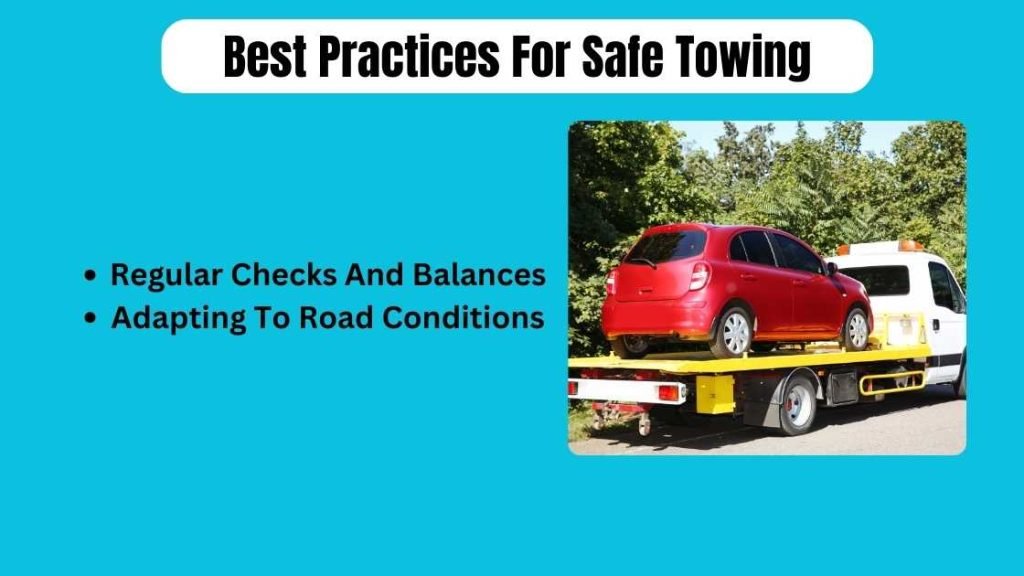
Regular Checks And Balances
Towing a travel trailer requires extra attention to your vehicle and its capabilities. Perform regular checks to maintain balance and control:
- Inspect tire pressure on both your towing vehicle and the trailer to avoid blowouts.
- Ensure lights and brakes are fully operational before hitting the road.
- Check that the trailer hitch is secure and the load is balanced.
- Assess the weight distribution. Use a weight distribution hitch if needed.
Maintain these checks regularly, especially on long trips, to prevent any unexpected incidents.
Adapting To Road Conditions
The way your vehicle handles can change dramatically with a trailer in tow, especially under diverse road conditions. Adapting is key:
- Slow down in inclement weather such as rain or snow.
- Reduce speed when approaching sharp curves or steep inclines.
- Keep a safe following distance from the vehicle ahead.
- Avoid sudden stops and starts to prevent trailer sway.
Adequate preparation and vigilant driving practices are your best line of defense against any issues on the road. Stay alert, stay safe, and enjoy your journey with your travel trailer in tow.
Expert Opinions On Cruise Control And Towing
Towing a travel trailer demands skill and attention. Many drivers wonder about cruise control’s role. Let’s explore expert views on cruise control while towing.
Insights From Auto Manufacturers
Auto manufacturers often guide with vehicle manuals. Some suggest avoiding cruise control when towing. Reasons include:
- Safety: Maintaining manual control ensures swift reactions.
- Control: Hilly terrains need active speed adjustments.
- Fuel efficiency: Towing affects cruise control’s fuel optimization.
Certain modern vehicles have tow modes. These systems adjust the cruise control for trailers. Always check the manual for specific guidance.
Recommendations From Towing Professionals
Towing experts emphasize experience. New drivers should skip cruise control. Practice creates a feel for the trailer’s weight and movement.
Experienced towers might use cruise control on flat, open highways. Even so, caution remains key. Keep these tips in mind:
- Stay alert and ready to brake.
- Monitor traffic and weather conditions.
- Adjust speed manually in complex driving scenarios.
Professional consensus suggests avoiding cruise control in most towing situations. Manual control offers better safety and performance.
Alternatives To Using Cruise Control
Manual Speed Management
Controlling speed manually gives you full command during towing. It allows adjustments based on traffic flow, road conditions, and trailer behavior. Here’s why it’s worth considering:
- Better control: Respond quickly to changes in terrain or traffic.
- Enhanced safety: Make instant decisions like slowing down for sharp turns.
- Improved fuel efficiency: Adjust your speed to optimize fuel consumption.
Advanced Driver Assistance Systems
Modern vehicles come with Advanced Driver Assistance Systems (ADAS) to help with towing. These features support and enhance driving, especially when pulling heavy loads. Here’s a breakdown:
| System Name | Function |
|---|---|
| Electronic Stability Control | Improves vehicle stability by detecting and reducing loss of traction. |
| Blind Spot Monitoring | Alerts when a vehicle is in your blind spot while changing lanes. |
| Brake Assist Systems | Boosts braking power in emergencies. |
Using these systems properly can make towing safer without relying solely on cruise control. Combine ADAS with manual speed control for the best towing experience.
Making The Right Choice For Your Trip
Evaluating The Pros And Cons
- Consistent Speed: Helps keep a steady pace on highways.
- Driver Comfort: Reduces fatigue during extended drives.
- Fuel Efficiency: Possible better mileage on flat terrains.
But, towing introduces factors that require careful attention:
- Reduced Control: Difficulties in maneuvering and stopping.
- Variable Terrain: Strain on your vehicle’s transmission on hills.
- Safety Concerns: Risk of sway and loss of traction.
Personalizing Your Towing Experience
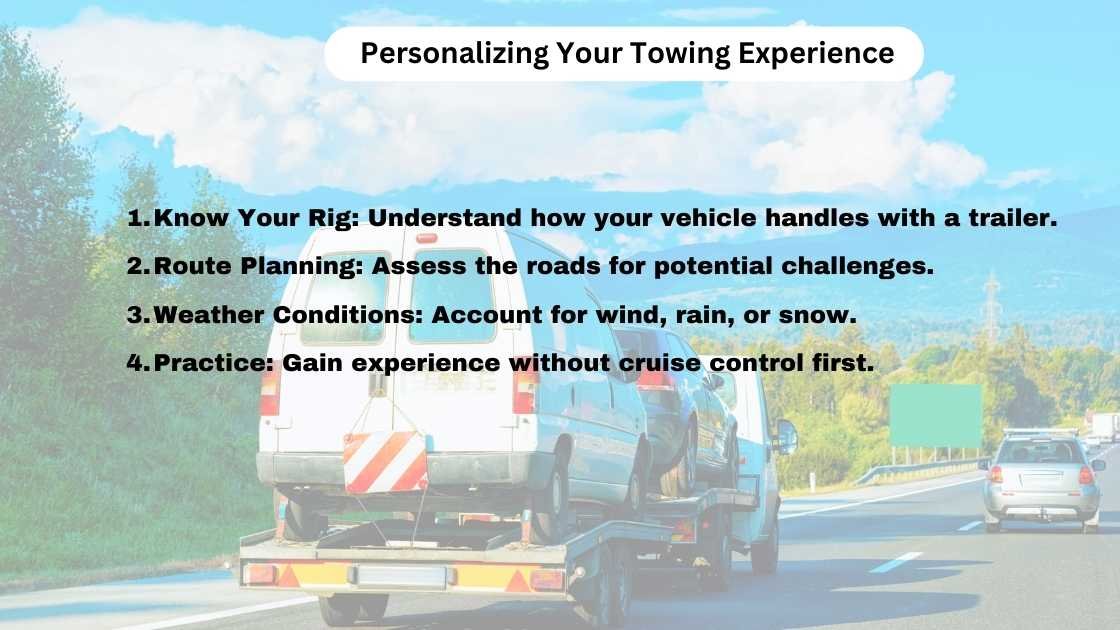
Each trip is unique, and so is every driving style. Consider the following to personalize your towing experience:
- Know Your Rig: Understand how your vehicle handles with a trailer.
- Route Planning: Assess the roads for potential challenges.
- Weather Conditions: Account for wind, rain, or snow.
- Practice: Gain experience without cruise control first.
Remember, confidence in towing comes from experience and awareness. Trust your instincts and make the choice that ensures both your safety and enjoyment on the road.
Frequently Asked Questions For Should You Use Cruise Control When Towing A Travel Trailer
Is Cruise Control Safe For Towing Trailers?
Using cruise control while towing can be safe on flat, straight highways. It maintains a consistent speed and can ease long drives. However, it’s essential to disengage cruise control in heavy traffic, on inclines, declines, or winding roads to maintain better control.
How Does Towing Affect Cruise Control Performance?
Towing impacts vehicle load and handling, which can challenge cruise control systems. When a vehicle tows a trailer, more effort is required to maintain speed, especially on hills or during acceleration, which may cause strain on the engine and transmission if using cruise control.
Does Cruise Control Increase Fuel Efficiency When Towing?
Cruise control can potentially improve fuel efficiency when used on flat terrain by maintaining a steady speed. However, when towing, cruise control might not adjust to varying road conditions optimally, leading to possible decreased fuel efficiency in hilly or dynamic driving scenarios.
Can All Vehicles Use Cruise Control While Towing?
Not all vehicles are designed to use cruise control when towing. It’s important to consult your vehicle’s owner manual or manufacturer to determine if your specific model supports cruise control functionality under towing conditions for safe and optimal use.
Conclusion
Deciding on cruise control for trailer towing isn’t cut and dry. Factors like road conditions, terrain, and vehicle capabilities shape this choice. Always consult your vehicle’s manual and prioritize safety. Remember, optimal control and awareness trump convenience when hauling your precious cargo.
Tow smart, drive safe.