Skip to content
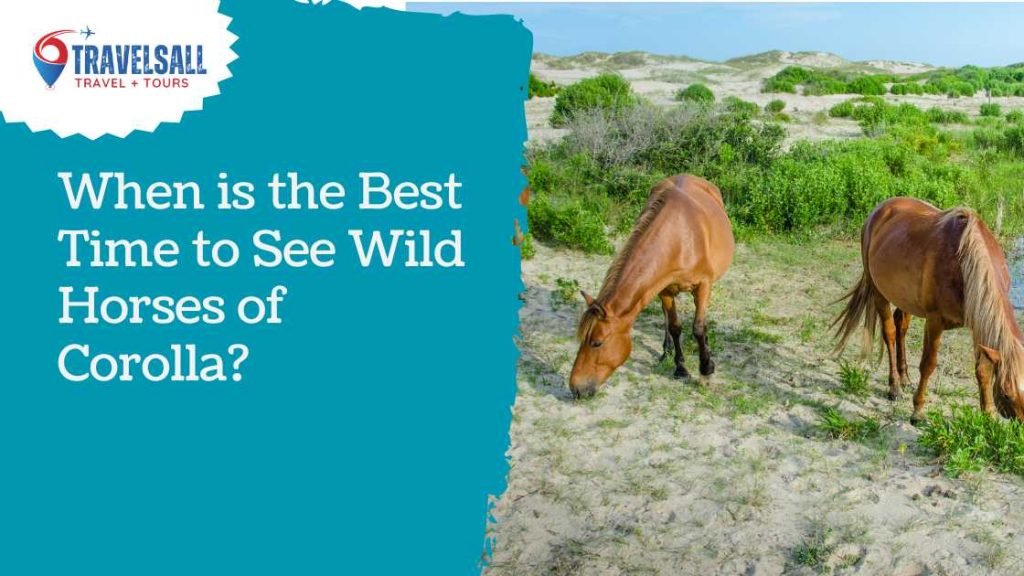
The best time to see the wild horses of Corolla is in the warmer months from late spring to early fall. Early mornings and late afternoons provide the highest chances of sightings.
Lots of people go to Corolla, North Carolina, to see amazing wild horses on the beaches. These wild horses are called Spanish Mustangs, and they have a cool history that goes way back to a long time ago.
They look awesome with their messy hair blown by the wind, and they’re like free spirits. It’s like seeing wild beauty with the big ocean behind them.
People who love nature and taking pictures of animals often wonder, “When is the best time to see wild horses of Corolla?” Well, the best time is during the warmer months when the weather is calm.
In these months, the horses move around more, and going on tours with a guide makes it more likely to see them up close. But, it’s super important to be respectful by staying far away and not disturbing where they live.
Wild Horses Of Corolla: A Sight To Behold
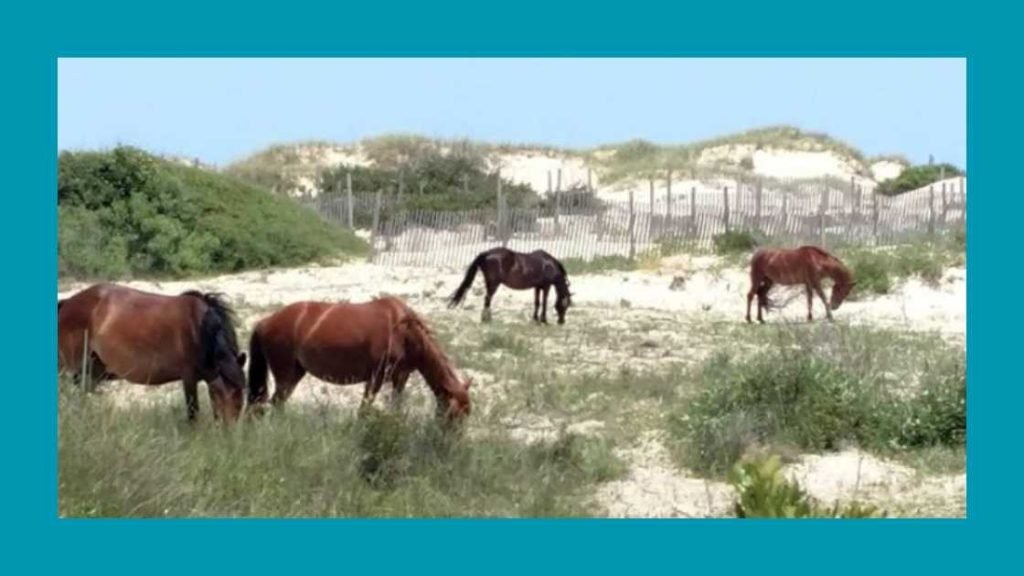
Imagine a serene beach where wild horses roam free. This is Corolla in North Carolina. The wild horses of Corolla offer a magical experience. They are part of the area’s rich history.
Families love to see these beautiful animals in their natural habitat. Photographers and nature enthusiasts cherish the moments too. The best time to see them is from late spring through the fall.
The Majesty Of Wild Horses
The wild horses in Corolla are majestic creatures. Their manes blow in the wind as they gallop. They graze in the dunes and rest under the golden sun. These Spanish Mustangs date back almost 500 years. They are symbols of freedom and beauty.
The best times to spot these horses are early mornings and late afternoons. Remember to keep a safe distance. This ensures everyone, including the horses, stays safe.
Corolla’s Unique Ecosystem
Best Viewing Seasons:
- Spring: New foals are born. Flowers bloom. Horses are more active.
- Summer: Ideal for vacationers. Horses are easily spotted near the ocean.
- Fall: Cooler weather. Less crowded. Great for photos.
| Do’s | Don’ts |
|---|---|
| Keep a safe distance (50 feet) | Approach or feed the horses |
| Take guided tours | Drive off marked paths |
| Use a zoom lens for photos | Disturb the natural behavior |
Seasonal Patterns Of The Corolla Wild Horses
Witness the majestic Corolla wild horses in their natural habitat, a sight that varies with each season. Their behavior and daily patterns adapt to the changing weather of the Outer Banks.
These seasonal rhythms will improve your experience when visiting these noble creatures.
Winter Wonders: Horse Behavior In The Cold
Winter brings a serene backdrop for the Corolla wild horses.
- Thickened coats protect them from chilly winds
- Horses gather in smaller groups for warmth
- Fewer crowds offer a peaceful viewing atmosphere
Despite the colder temperatures, the horses remain active and can often be seen foraging in the frost-touched landscape, showcasing their resilience.
Summer Spark: Wild Horses In Warmer Months
Summer highlights the horses’ playful side.
- They are easily spotted along beaches and dunes
- Foals frolic in the warmth with their families
- Horses graze on rich summer vegetation
Plan early morning or late afternoon visits to avoid the heat and see the horses at their most active.
Monthly Breakdown For Equine Enthusiasts

Welcome to a monthly breakdown for Equine Enthusiasts eager to witness the majestic wild horses of Corolla. Understand the best times to visit and what you can expect from each season.
Let’s search the unique characteristics of the herd’s activities over the year.
Spring Surge: Foal Sightings And Activity
Spring unveils the charm of new beginnings in Corolla. Expect the thrill of frolicking newborn foals as they take their first steps. Mark your calendar for these observations:
- April to June − Prime foal birth season
- Witness increased horse activity and playful behavior
- Pleasant temperatures for outdoor adventures
- Less crowd, better viewing opportunities
The area blossoms with life, offering a serene backdrop for your equine escapade.
Autumn Awes: Mild Weather And Migration Patterns
As summer fades, autumn presents a perfect stage. The mild climate of Corolla has become a haven for horse spotting. Here’s why autumn stands out:
| Month | Weather | Horse Activity |
|---|---|---|
| September to November | Cooler, Comfortable | Beginning of migration within their habitat |
| October | Clear Skies | Increased visibility of horses near beaches |
| November | Minimal Tourist Traffic | Groups gathering for winter, easier to spot |
Enjoy the spectrum of colors painting the landscape as horses roam in the cooler environment.
Capturing The Perfect Moment: Photography Tips
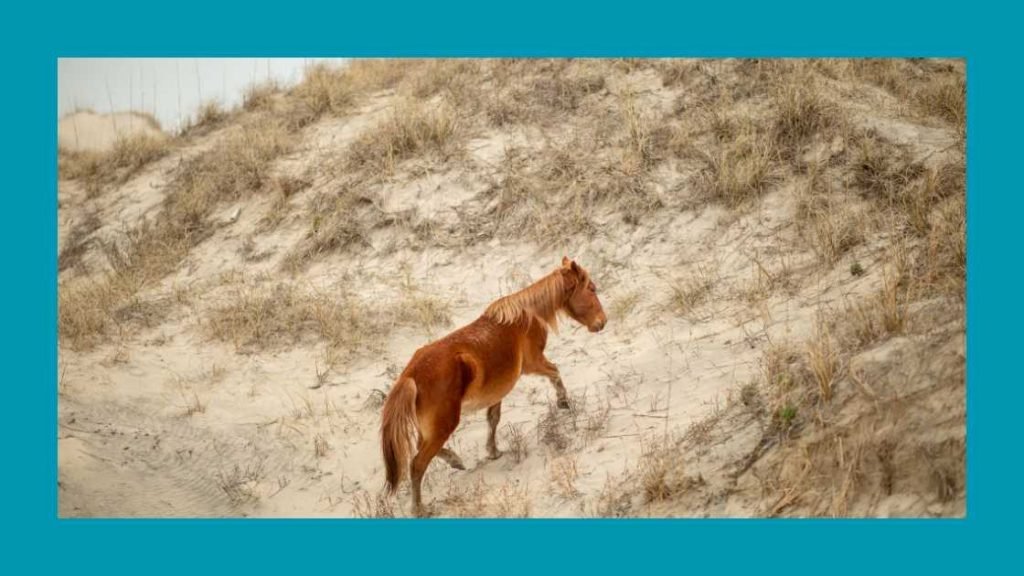
Witnessing the wild horses of Corolla is a breathtaking experience. Perfect photography captures these moments forever.
To help, here are tips for photographers aiming to snap these majestic creatures in their natural habitat.
Best Lighting Conditions For Equine Photography
Golden hours provide the best lighting for wild horse photography. These are the first hour after sunrise and the last hour before sunset. Soft, warm hues improve the horses’ features. Shadows cast during these hours add depth to images.
- Early mornings catch horses in active states.
- Late afternoons bring out rich, amber tones in their coats.
Avoid midday shoots. The sun sits high, creating harsh shadows and overexposure risks.
Ethical Practices In Wild Horse Observation
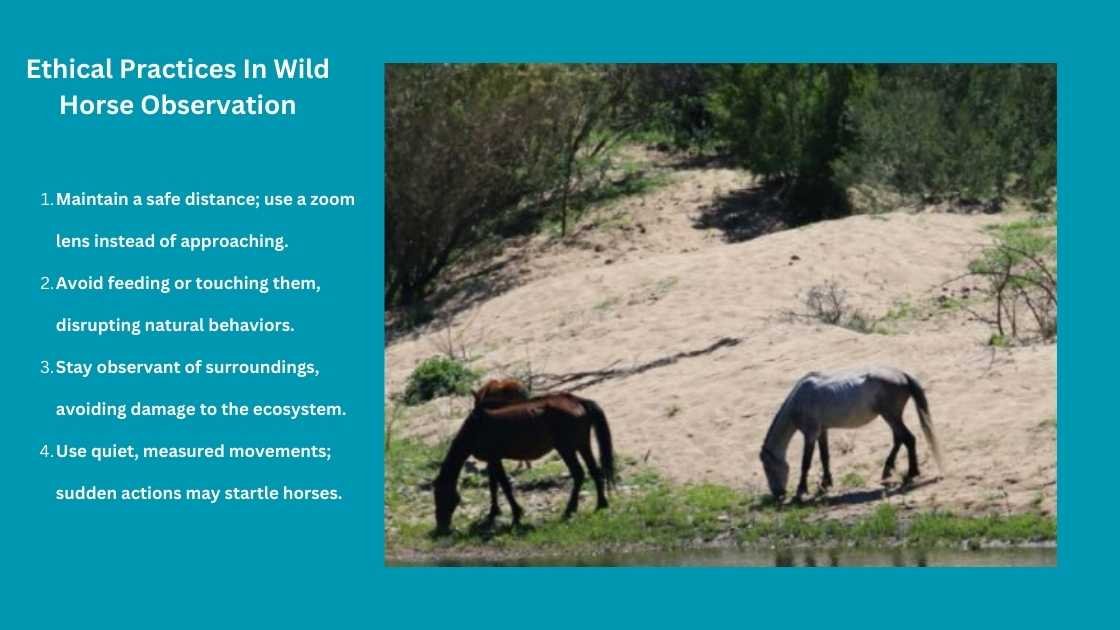
Respecting wild horses ensures their safety and well-being. Here’s how photographers can be ethical observers:
- Maintain a safe distance; use a zoom lens instead of approaching.
- Avoid feeding or touching them, disrupting natural behaviors.
- Stay observant of surroundings, avoiding damage to the ecosystem.
- Use quiet, measured movements; sudden actions may startle horses.
Blend with the environment. Camouflage attire helps. This approach lessens the impact on horses, yielding natural images.
By following these guidelines, photographers can capture stunning images of Corolla’s wild horses without disrupting their habitat or behavior.
Planning Your Visit For Optimal Viewing
Encountering the wild horses of Corolla is a breathtaking experience. The key is timing your adventure for peak viewing opportunities.
Spring and fall offer mild weather and thinner crowds, ideal for spotting these majestic animals in their natural habitat. Specifically, aim for early mornings or late afternoons when horses are most active.
Tour Options: Guided Vs. Self-exploration
Selecting the right tour improves your wild horse viewing experience.
| Guided Tours | Self-Exploration |
|---|---|
|
|
Choose guided tours for a structured, informative trip, or select self-exploration for a more spontaneous adventure.
Essential Checklist For A Horse Watching Trip
Packing the right items guarantees a seamless experience.
- Binoculars: Get a close view without disturbing the horses.
- Camera: Capture memories with a good zoom function.
- Weather-appropriate Clothing: Dress in layers for changing conditions.
- Snacks and Water: Stay energized and hydrated.
- Local Map: Navigate the area with ease.
- Sun Protection: Use sunscreen and hats to stay protected.
Include these essentials to enjoy an unforgettable Corolla wild horse encounter.
Impact Of Climate And Weather On Horse Sightings
Horse Movement And Weather
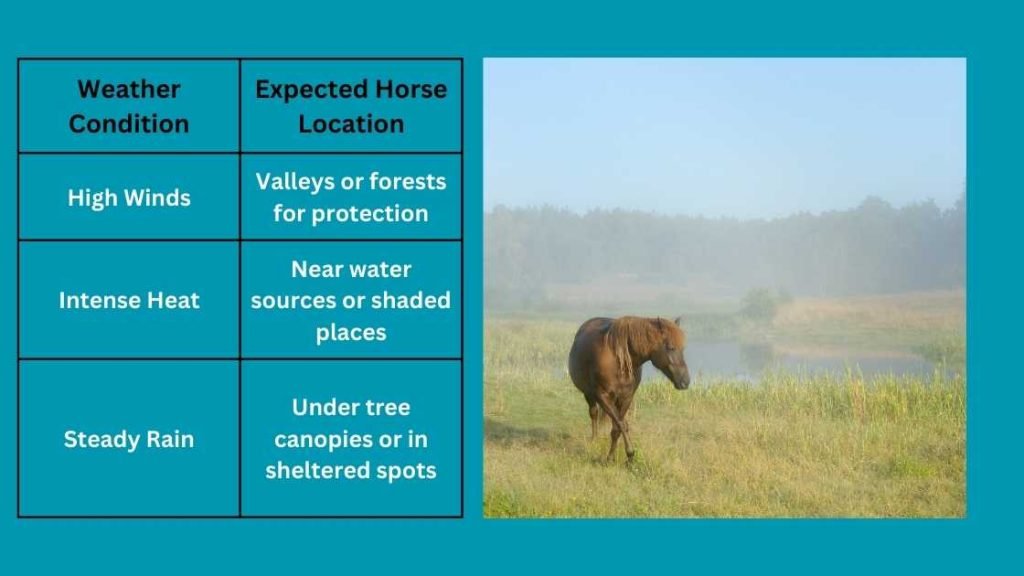
- Warm seasons might push the horses towards shaded areas or sources of water.
- Colder climates see horses basking in sunny spots or shielded by trees and brush.
Predicting Sightings: How Weather Influences Horse Locations
Predictable weather patterns let us gauge potential horse locations. Mild and pleasant conditions are ideal, as horses are likely to be active and visible.
| Weather Condition | Expected Horse Location |
|---|---|
| High Winds | Valleys or forests for protection |
| Intense Heat | Near water sources or shaded places |
| Steady Rain | Under tree canopies or in sheltered spots |
Mild mornings or late afternoons often result in the best sightings. Horses venture out for grazing during these times, creating perfect photo opportunities.
Contributing To Conservation During Your Visit
The Role Of Tourism In Horse Preservation
Wild horse conservation thrives on informed tourism. Responsible visits help raise crucial funds for habitat protection and research. Ecotourism ensures minimal impact on the horses’ natural environment while educating the public on the importance of these animals.
- Book tours with certified operators: They support ethical viewing practices.
- Shop at local businesses: Many donate to preservation efforts.
- Attend conservation talks: Gain insights into the horses’ ecology.
How To Support Local Conservation Efforts
Active engagement in local conservation efforts is necessary. Small actions can lead to significant outcomes for horse populations.
Visitors can contribute through donations, volunteer work, and by adopting responsible behaviors.
- Donate to local charities: They directly aid in horse care and habitat preservation.
- Volunteer for beach clean-ups: Clean habitats foster healthy horse populations.
- Practice Leave No Trace principles: Keep the beaches pristine for the wildlife.
By taking part, you ensure that the wild horses of Corolla continue to roam free for generations to come. Your visit, coupled with conservation actions, becomes part of a larger story – one of mutual respect and protection between humans and the mystical wild horses they come to admire.
Frequently Asked Questions Of When Is The Best Time To See Wild Horses Of Corolla
Can You See Wild Horses In Corolla Without A Tour?
Yes, you can see wild horses in Corolla without a tour. Public beaches and neighborhood areas often provide opportunities for sightings. Always respect local wildlife guidelines while observing.
Where Is The Best Place To See Wild Horses On The Outer Banks?
The best place to see wild horses on the Outer Banks is Corolla, where they freely roam the beaches and dunes.
Can You Walk On The Beach In Corolla To See The Horses?
Yes, you can walk on Corolla Beach to see the wild horses, but maintain a safe distance for your safety and their protection.
How Can I See Corolla Horses For Free?
Visit the beaches of Corolla in the Outer Banks, North Carolina, for a chance to spot the wild horses roaming freely along the shore.
Conclusion
Going on a cool adventure to see the wild horses in Corolla is like entering a magical world. It’s best to go from late spring to fall for the most fun. Pick these times to meet these awesome horses up close. Just remember, watching them with respect helps keep them safe for a long time.
Happy horse-watching!